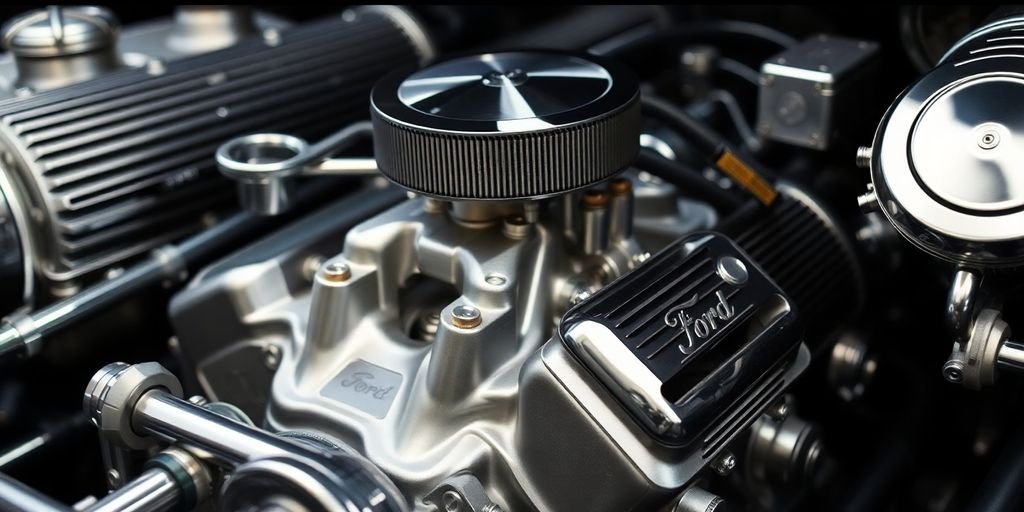
So, you’re looking for Ford engine parts in Australia? Whether you’re keeping a trusty Ranger running or thinking about a beefier F-150, finding the right bits and pieces can sometimes feel like a treasure hunt. This guide is here to make that hunt a bit easier, pointing you toward quality parts and reliable sources across the country. We’ll cover what’s under the hood of popular Ford models here and give you some tips on what to look for.
Key Takeaways
- The Ford Ranger, especially the T6 platform, is a huge seller in Australia, known for its toughness and versatility. Popular engine options include the 3.2L five-cylinder turbo-diesel and the 2.0L Bi-Turbo.
- The Ford F-150 is now officially available in Australia, converted to right-hand drive. The primary powertrain offered is a 3.5-litre twin-turbo EcoBoost V6.
- When buying a used Ford, especially a Ranger, always check the service history, particularly for diesel models. Timing belt replacement for the 3.2L is a key maintenance item.
- Genuine Ford parts are recommended for reliability, but quality aftermarket options exist for performance upgrades and specific needs. Companies like Yella Terra are known for performance engine components.
- Finding reputable suppliers and specialist workshops in Australia is key to getting the right Ford engine parts and ensuring proper installation or repair.
Understanding Ford Engine Options in Australia
When you’re looking at Ford engines available in Australia, you’ve got a few main players that really stand out. Ford has a pretty solid lineup, especially if you’re into trucks and utes, which are super popular here.
The Versatile Ford Ranger Engine Lineup
The Ford Ranger is a big deal in Australia, and its engine options have evolved over the years. You’ll find a range of diesel engines, from the earlier 2.5L and 3.0L CRD units to the more common 2.2L and the powerful 3.2L five-cylinder turbo-diesels. More recently, Ford introduced a 2.0L Bi-Turbo diesel, which really upped the ante in terms of power and efficiency, especially in the higher-spec models like the Raptor. These engines are generally paired with either a 6-speed manual or automatic transmission, though the newer Bi-Turbo models exclusively use a 10-speed auto. It’s a pretty diverse set of choices, catering to different needs, whether you’re just doing daily driving or need serious towing grunt.
Exploring the Ford F-150 Powertrain
The Ford F-150 is a bit of a legend globally, and it’s finally made its official mark on the Australian market. While it’s imported and converted to right-hand drive here, the engines are the same robust units you’d expect. You’ll typically find powerful V8 petrol engines, known for their towing capability and that classic American muscle sound. These aren’t your everyday car engines; they’re built for heavy-duty work, hauling, and a lot of driving. If you need to tow a big caravan or a horse float, the F-150’s powertrain is definitely something to consider. It’s a different beast compared to the Ranger, offering more sheer power and size.
High-Performance Ford Engine Choices
Beyond the mainstream Ranger and F-150, Ford has also brought some serious performance engines into the country, often through the Mustang. The Coyote 5.0L V8 is a prime example. This is a DOHC (double overhead cam) engine that’s known for being smooth and responsive. It’s a modern piece of tech, often featuring direct and port injection, plus variable cam timing. It makes good power straight out of the box, but it also loves to be modified for even more performance. Then there’s the ‘Godzilla’ 7.3L V8, a massive iron-block engine that’s incredibly tough and makes serious power, especially when boosted. While it might be a bit more complex to fit into older vehicles, it’s a popular choice for custom builds where brute strength and cubic inches are the goal. These engines represent the higher end of Ford’s performance offerings available to Australians.
Sourcing Quality Ford Engine Parts
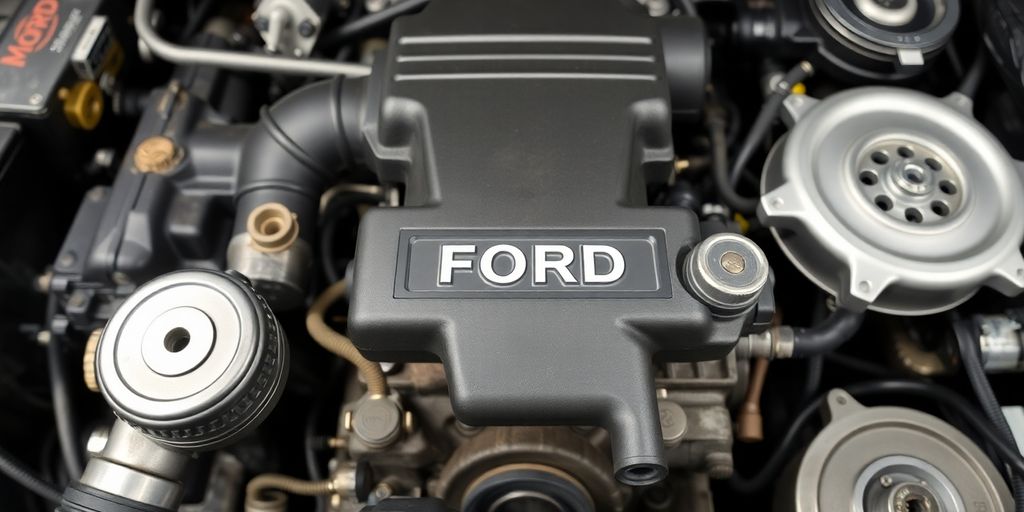
Finding the right parts for your Ford engine can sometimes feel like a treasure hunt, especially when you’re aiming for quality. You’ve got a few main avenues to explore, and knowing the difference between them is key to getting what you need without any headaches.
Identifying Genuine Ford Parts
When you want parts that are guaranteed to fit and perform exactly as the factory intended, genuine Ford parts are the way to go. These are the same components that your vehicle was built with. They come with the Ford logo and are usually available through official Ford dealerships or authorized parts suppliers. While they might cost a bit more upfront, the peace of mind knowing you’re getting a perfect match for your engine is often worth it. Plus, they typically come with a warranty, which is always a nice bonus.
Aftermarket Performance Parts for Ford Engines
If you’re looking to squeeze a bit more power out of your Ford, or maybe you need a replacement part that’s built to a higher standard than stock, the aftermarket is where it’s at. This is a huge market with tons of companies making everything from upgraded fuel injectors and performance camshafts to heavy-duty engine blocks and turbochargers. You can find parts designed for specific performance goals, like better airflow or increased durability under stress. Just be sure to research the brands and read reviews, as quality can vary a lot in the aftermarket world.
Specialty Suppliers for Ford Engine Components
Sometimes, you need something a little more specific, maybe for an older Ford model or a high-performance build. That’s where specialty suppliers come in. These businesses often focus on particular Ford engines or types of parts, like performance tuning components or hard-to-find classic engine bits. They usually have staff who really know their stuff and can offer advice tailored to your project. They might also carry parts from smaller, reputable manufacturers that you won’t find everywhere else. It’s a good idea to check out forums or ask around in Ford enthusiast groups to find out who the trusted specialty suppliers are in your area or online.
Key Ford Engine Models in Australia
When you’re looking at Ford engines available in Australia, a couple of big names really stand out. The Ford Ranger, for starters, has been a massive hit here for ages. It’s not just a work ute anymore; it’s become a real lifestyle vehicle, and people love them. Ford Australia actually developed the T6 platform for the Ranger, which shows how important this market is to them.
The Popular Ford Ranger Engines
Over the years, the Ranger has seen a few different engine options. The earlier models, like the PX1 from 2011-2015, were often fitted with a 2.2-litre four-cylinder turbo-diesel or the more popular 3.2-litre five-cylinder turbo-diesel. These engines were known for being pretty tough and capable, especially for towing and carrying loads. Then, the PX2 generation, starting around 2015, brought some updates. You still had the 2.2L and 3.2L diesels, but Ford also introduced a 2.0-litre Bi-Turbo diesel in later models, which was a step up in power and efficiency, usually paired with a 10-speed auto. It really made the higher-spec Rangers feel quite refined.
Ford F-150 Engine Specifications
The Ford F-150 is a different beast altogether. It’s a full-size pickup truck, and it’s huge compared to the Ranger. While it’s been a legend in North America for decades, it’s only recently become officially available here in Australia. Ford Australia imports them and then has them converted to right-hand drive. The engines offered are typically powerful V8s, like the 5.0-litre Coyote, which is a pretty advanced engine with dual injection and variable cam timing. There’s also the massive 7.3-litre ‘Godzilla’ V8, which is an iron-block monster built for serious work and towing. These trucks are built for heavy-duty tasks, and their engines reflect that.
Older Ford Engine Generations
Beyond the Ranger and F-150, Australia has a history with other Ford engines too, especially in classic Aussie Falcons and other models. Think about the older Windsor V8s or the Barra engines that became legendary for their performance and tuning potential. While these might not be current production models, finding parts for them is still a big part of the classic Ford scene here. Many enthusiasts keep these older vehicles running, and there’s a dedicated community around them. It’s a different kind of engine, more mechanical and often simpler, but they have a huge following.
It’s interesting how different engine types suit different needs. The Ranger’s diesels are all about balance for everyday use and work, while the F-150’s V8s are pure grunt for heavy jobs. Then you have the older Aussie engines that are just icons in their own right.
Maintenance and Upgrades for Ford Engines
Keeping your Ford engine running smoothly is pretty important, right? Whether you’ve got a trusty Ranger or something a bit older, a little bit of care goes a long way. For the diesel folks, regular oil changes are a must, and keeping an eye on things like glow plugs and fuel filters can save you a headache down the road. It’s not just about fixing things when they break; it’s about preventing those breakages in the first place.
Essential Maintenance for Ford Diesels
For Ford diesel engines, especially those found in the Ranger, sticking to a maintenance schedule is key. This means changing the oil and filter at the recommended intervals, usually every 10,000 to 15,000 kilometers, or as your owner’s manual suggests. Don’t forget the air filter and fuel filter, too; they get clogged up with all the dust and gunk out there. Checking and topping up coolant levels is also a good idea, especially before any long trips. And if you’re doing a lot of towing or driving in harsh conditions, you might want to consider more frequent oil changes.
Performance Upgrades for Ford Ranger Engines
Lots of people like to give their Ranger a bit more pep. Common upgrades include fitting a better intercooler, which helps keep the engine temperatures down, especially when you’re pushing it hard. An oil catch can is another popular addition; it traps oil vapors before they get back into the intake, keeping things cleaner inside. Some folks also look at exhaust upgrades for a bit more flow, or even ECU remapping to get more power out of the existing hardware. It really depends on what you want to do with your truck – is it for daily driving, serious off-roading, or towing heavy loads?
Common Ford Engine Issues and Solutions
While Ford engines are generally pretty solid, like any engine, they can have their quirks. Some older Ranger models might have had issues with turbochargers, especially if they weren’t maintained properly. You might also hear about problems with the cooling system or fuel injectors on certain models. Sometimes, it’s just a matter of replacing a worn-out part, like a sensor or a gasket. Other times, it could be something more involved, like a turbo rebuild or injector service. The best approach is usually to address small issues before they become big, expensive problems.
It’s easy to get caught up in the latest performance parts, but sometimes the simplest maintenance can make the biggest difference. Think about what you actually need the truck to do and build from there. A well-maintained engine, even if it’s stock, will always serve you better than a highly modified one that’s constantly breaking down.
Choosing the Right Ford Engine Parts
Matching Parts to Your Ford Ranger Model
When you’re looking for parts for your Ford Ranger, the first thing you need to nail down is the specific model and year. It sounds obvious, but the differences between generations, and even within a single generation, can be huge. For instance, a part that fits a 2015 PX2 Ranger might not even bolt up to a 2018 PX3, let alone a brand-new 2023 Next-Gen model. You’ve got to be precise. Think about engine options too – the 2.2L Duratorq is a different beast entirely from the 3.2L Duratorq or the newer 2.0L Bi-Turbo. Getting this wrong means you’ll either have parts that don’t fit, or worse, parts that fit but don’t work correctly, potentially causing more damage. Always double-check the part numbers against your vehicle’s VIN or consult a parts specialist.
Ensuring Compatibility for F-150 Engine Parts
For the F-150, the sheer variety of engine options over the years means compatibility is king. Whether you’re dealing with a classic 5.0L Windsor, a modern Coyote, or even the massive Godzilla V8, the parts are not interchangeable. The Coyote, for example, with its overhead cams and dual injection, needs specific components that won’t work on older pushrod designs. Even within the Coyote family, there are different generations with subtle changes that affect part fitment. It’s vital to know your engine’s specific code and build date. If you’re looking at performance upgrades, like a new intake or exhaust manifold, make sure it’s designed for your exact engine variant. A quick search might show a part for a ‘5.0L F-150’, but that could mean a dozen different engine configurations. Always verify the part’s application list or ask the supplier directly.
Factors Affecting Ford Engine Part Quality
When you’re shopping for Ford engine parts, quality can vary a lot. Genuine Ford parts are made to the manufacturer’s specifications, so they usually fit perfectly and perform as expected. They tend to be more expensive, though. Then you have aftermarket parts. Some aftermarket companies make really good stuff, often designed to be stronger or perform better than the original parts. Others, well, not so much. You might find cheaper parts that look similar, but they could be made with lower-grade materials or have looser manufacturing tolerances. This can lead to premature wear, poor performance, or even engine damage down the line. It’s a bit of a gamble sometimes. Reading reviews, sticking to reputable brands, and asking for recommendations from mechanics or other owners can help you avoid the duds. Sometimes, paying a bit more upfront for a quality part saves you a lot of headaches and money later on.
Australian Specialists for Ford Engine Needs
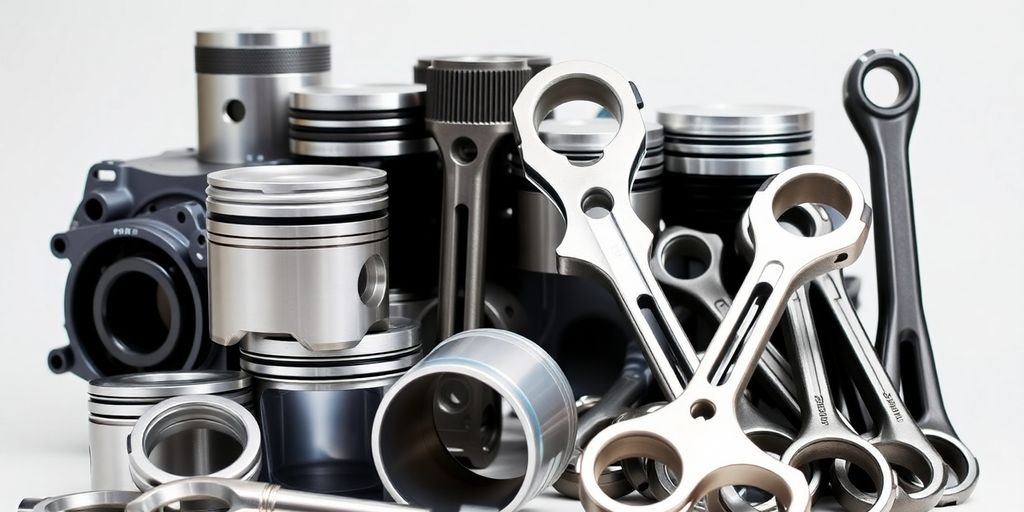
When you’re looking for parts or upgrades for your Ford engine in Australia, finding the right specialist makes all the difference. It’s not just about getting the part you need; it’s about getting the right part and having someone who knows their way around Ford engines to help you out. These specialists are your go-to for everything from genuine replacements to performance enhancements.
Reputable Suppliers of Ford Engine Parts Australia
Australia has a solid network of suppliers who focus on Ford parts. These businesses often carry a wide range of genuine Ford parts, meaning you get components made to the exact specifications for your vehicle. They also stock quality aftermarket options, which can be great for specific upgrades or if a genuine part is hard to find. Many of these suppliers have online stores, making it easy to browse and order from anywhere in the country. They understand the different Ford engine models sold here, from the popular Ranger diesels to older Falcon engines, and can guide you to the correct part.
Performance Workshops for Ford Engines
If you’re looking to get more out of your Ford engine, whether it’s a Ranger, F-150, or a classic Falcon, performance workshops are where you want to be. These places specialize in tuning, upgrades, and custom builds. They know which parts work well together and can help you achieve your desired performance goals, whether that’s better fuel economy, more towing power, or track-day readiness. They often have access to specialized parts and the know-how to fit them correctly, which is important for complex upgrades like turbo kits or engine swaps. Some workshops even have their own range of performance parts designed specifically for Australian conditions.
Finding Local Expertise for Ford Engine Repairs
Sometimes, you just need a reliable mechanic who knows Ford engines inside and out. Local workshops, especially those with a long history or a focus on Fords, can be invaluable. They can diagnose common Ford engine issues, perform routine maintenance, and handle repairs with a good understanding of the vehicle’s history in Australia. Don’t underestimate the value of a mechanic who has seen your specific engine model come through their shop many times before. They can offer practical advice and ensure your Ford engine stays in top shape for years to come.
Wrapping It Up: Keeping Your Ford Running Strong
So, you’ve got a Ford, and you need parts. Whether you’re driving a tough Ranger, a massive F-150, or something else entirely, finding the right engine bits in Australia is totally doable. We’ve talked about how important it is to get quality parts, whether you’re doing a simple fix or a big upgrade. Remember to check out reputable suppliers, maybe even local ones who know their stuff about Fords down under. Keeping your Ford’s engine in good shape means it’ll keep going for ages, handling whatever you throw at it. Don’t forget to look into things like intercoolers or catch cans if you’re looking to boost performance, but always make sure they’re the right fit for your specific model. Happy motoring!