If you’re a Ford owner, keeping your transmission in good shape is pretty important. It’s not just about smooth driving; it’s about avoiding those really expensive repairs down the road. Think of it like this: you wouldn’t ignore a strange noise from your engine, right? Your transmission deserves the same attention. Whether you’ve got an automatic, manual, or a newer CVT, knowing what parts to look for and how to spot trouble can save you a lot of headaches. We’ll cover the basics of Ford transmission types, the parts you might need, and how to keep everything running smoothly.
Key Takeaways
- Regularly check your Ford’s transmission fluid level and color to catch problems early and prevent costly repairs.
- Unusual noises or hesitation during gear changes are common signs that you might need new Ford transmission parts.
- Choosing the right Ford transmission parts involves ensuring they match your specific Ford model and are made from durable materials.
- Routine maintenance and avoiding aggressive driving habits can help extend the life of your Ford transmission.
- When sourcing Ford transmission parts, look for quality components with precise engineering for a smooth fit and reliable performance.
Understanding Ford Transmission Types
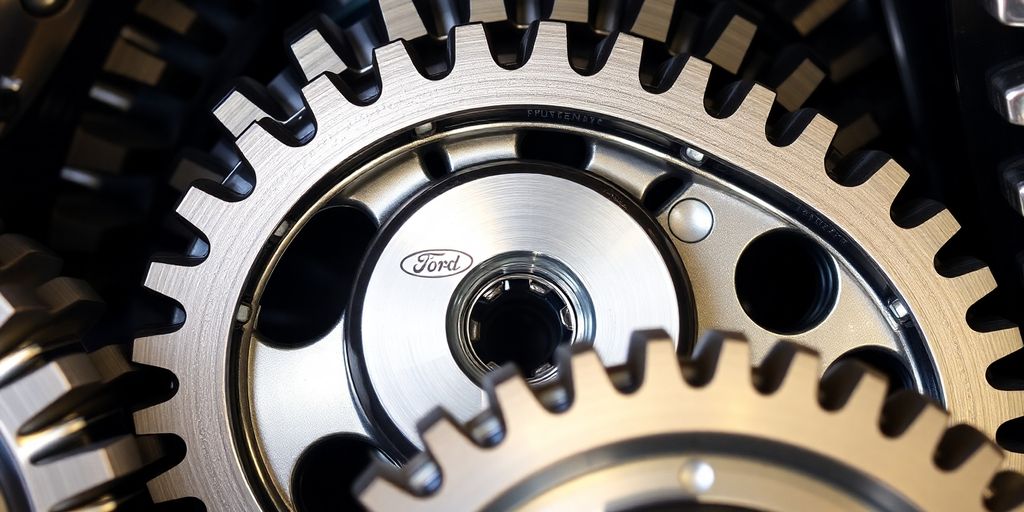
Ford has put a lot of different transmissions in their vehicles over the years. Knowing which one you have is pretty important when you need to buy parts or get it fixed. They mainly fall into a few categories.
Ford Automatic Transmissions
These are the most common type you’ll find. In a Ford automatic, the car’s computer and a bunch of sensors figure out when to change gears. It uses fluid pressure inside the transmission to make those shifts happen. It’s designed to be smooth and pretty hands-off for the driver. You’ll see these in everything from sedans to trucks.
Ford Manual Transmissions
If you like being more involved with your driving, you might have a manual transmission, sometimes called a stick shift. With these, you’re the one in charge of changing gears. You use the clutch pedal and the gear shifter to select the right gear for the situation. It gives you more control, and some people just prefer the feel of it.
Ford CVT Transmissions
CVT stands for Continuously Variable Transmission. Ford has started using these in some of their newer models. Instead of having fixed gears like a traditional automatic or manual, a CVT has a system that can change through a continuous range of gear ratios. The idea is to keep the engine in its most efficient spot, which can help with fuel economy and give you smoother acceleration. It’s a bit different from what most people are used to.
It’s good to know what kind of transmission your Ford has. It makes a big difference when you’re looking for the right parts or trying to explain a problem to a mechanic. They all work differently and have their own quirks.
Essential Ford Transmission Parts
When your Ford’s transmission needs attention, knowing the right parts is half the battle. It’s not just about replacing what’s broken; it’s about getting parts that will last and work well with your specific vehicle. Think about the clutch parts for manual transmissions – things like the clutch disc, pressure plate, and release bearing. These work together to connect and disconnect the engine from the transmission, and when they wear out, you’ll definitely feel it.
For automatic transmissions, the picture gets a bit more complex. You’ve got torque converters, transmission fluid pumps, valve bodies, and seals. These components manage the fluid pressure that shifts gears. Then there are the rebuild kits, which are basically collections of seals, gaskets, and friction materials designed to bring a worn-out transmission back to life.
Don’t forget about the driveline parts that connect the transmission to the wheels. This includes things like CV joints, driveshafts, and U-joints. If these aren’t in good shape, you might notice vibrations or a clunking sound when you accelerate or turn.
| Part Category | Common Components |
|---|---|
| Clutch System | Clutch Disc, Pressure Plate, Release Bearing, Flywheel |
| Automatic Transmission | Torque Converter, Valve Body, Pump, Seals, Clutch Packs |
| Rebuild Components | Gaskets, Seals, Friction Plates, Steel Plates |
| Driveline | CV Joints, Driveshafts, U-Joints, Axles |
Getting the right parts means looking at your Ford’s model and year. Using parts that aren’t designed for your transmission can lead to more problems down the road. It’s always better to get parts made with good materials and engineered precisely for your Ford.
Maintaining Your Ford Transmission
Keeping your Ford’s transmission in good shape is pretty important if you want it to last. It’s not just about avoiding a big repair bill down the road, though that’s a big part of it. A well-maintained transmission means your car drives better, shifts smoother, and generally performs how it should.
Checking Fluid Levels and Color
One of the simplest things you can do is keep an eye on your transmission fluid. It’s like the oil for your engine, but for the transmission. You’ll want to check it regularly. Low fluid can cause all sorts of problems, from rough shifting to overheating. The color is a good indicator too. Fresh fluid is usually bright red and clear. If it looks dark brown, black, or has a burnt smell, that’s a sign something’s not right and it might be time for a change or a closer look.
Preventing Costly Repairs
Honestly, a lot of transmission issues can be avoided with a little bit of care. Don’t ignore strange noises or how your car shifts. If you start hearing whining, clunking, or if it feels like the gears are hesitating or slipping, get it checked out sooner rather than later. Small problems can turn into massive, expensive ones pretty quickly if you let them go.
Importance of Routine Services
Sticking to a regular service schedule is key. This usually involves checking and changing the transmission fluid and filter at the intervals recommended in your owner’s manual. Think of it like getting regular check-ups at the doctor; it helps catch things before they become serious. Skipping these services is a common reason why transmissions fail prematurely. It’s a small investment in time and money that can save you a lot of headaches and cash in the long run.
Identifying Ford Transmission Issues
Sometimes, your Ford’s transmission will start acting up, and you might not even realize it at first. It’s not always a big, dramatic failure. Often, it’s the little things that give you a heads-up. Paying attention to these signs can save you a lot of headaches and money down the road.
Recognizing Unusual Noises
Listen closely when you’re driving. A healthy transmission is pretty quiet. But if you start hearing whining, clunking, or humming sounds, especially when you shift gears or accelerate, that’s a red flag. These noises can mean different things. A whine might point to low fluid or worn gears, while a clunk could indicate a problem with the mounts or internal components. It’s like your transmission is trying to tell you something’s not right.
Diagnosing Hesitation During Gear Shifts
Does your Ford feel sluggish when it’s time to change gears? Maybe there’s a noticeable delay, or the shift itself feels rough and jerky instead of smooth. This hesitation or rough shifting is a common symptom of transmission trouble. It could be anything from a faulty sensor to low transmission fluid, or even internal wear. The transmission’s computer might be getting bad information, or the hydraulic system isn’t working as it should.
Common Ford Transmission Problems
Ford has been around for a long time, and like any complex system, their transmissions can develop specific issues. For instance, some models might experience slipping, where the engine revs up but the vehicle doesn’t gain speed. Others might have trouble engaging a gear altogether. The PowerShift automatic, found in some Focus and Fiesta models, has been known to have issues with shuddering or rough shifting. Older trucks, like certain F-150s, might develop problems with torque converters or internal seals. Knowing the common issues for your specific Ford model can help you spot trouble early.
It’s easy to ignore a little odd noise or a slight hesitation, thinking it’s just a one-off thing. But transmissions are complex and expensive to fix. Catching problems early, when they’re just starting, is way better than waiting until the whole thing breaks down. Think of it like a small leak in your roof – you fix it before it causes major water damage.
| Symptom | Possible Cause |
|---|---|
| Whining or humming noise | Low fluid, worn gears, bearing issues |
| Clunking when shifting | Worn mounts, internal damage, linkage issues |
| Slipping between gears | Low fluid, worn clutch packs, torque converter |
| Hesitation or rough shifts | Sensor issues, low fluid pressure, internal wear |
| Leaking fluid | Damaged seals, gaskets, or transmission pan |
Sourcing Quality Ford Transmission Parts
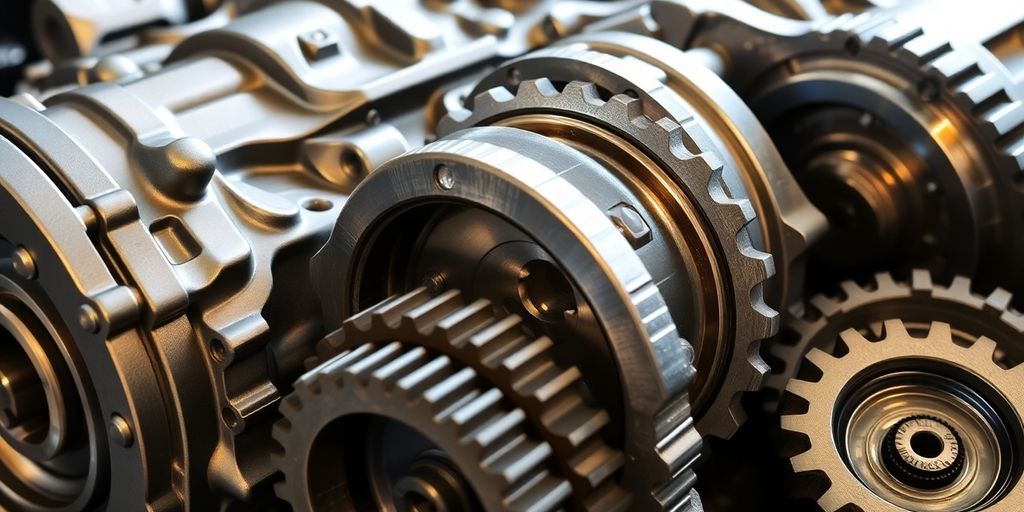
Finding the right parts for your Ford transmission can feel like a puzzle sometimes. You want something that fits perfectly and lasts, right? It’s all about getting components made with good materials and engineered precisely. Think about it – a part that’s not quite right can cause more headaches down the road. When you’re shopping, especially online, look for clear details about which Ford models and years the part is designed for. This helps avoid the hassle of returns and ensures your repair goes smoothly.
When you’re looking for transmission parts, you’ll find a range of options. Some are built for everyday driving, while others might be designed for heavier use or even performance upgrades. It really depends on what you need your Ford to do. For instance, if you’re towing a lot with your F-150, you’ll want parts that can handle that extra strain.
Choosing parts that are built to last means you’re less likely to be back under the hood sooner than you’d like. It’s a bit like buying good tools; they cost a little more upfront but save you trouble later.
Online stores can be a great resource. They often have large inventories and make it easy to compare different brands and specifications. Just make sure the site you’re using provides good compatibility information so you can be confident you’re getting the correct part for your specific Ford vehicle, whether it’s an automatic, manual, or CVT transmission.
Expert Ford Transmission Service
Transmission Repair and Replacement
When your Ford’s transmission starts acting up, it’s not something you want to put off. These systems are pretty complex, and figuring out exactly what’s wrong can be a real puzzle. Sometimes, a repair is all that’s needed, but other times, especially if things have gone too far, a full replacement might be the only way to get your vehicle back on the road reliably. It’s important to get it checked out by someone who knows Fords.
Technological Diagnostics for Transmissions
Modern transmissions have a lot of sensors and computer controls. Because of this, shops use special tools to figure out what’s happening inside. These diagnostic tools can read error codes and monitor how the transmission is performing in real-time. This helps pinpoint the exact problem, whether it’s a faulty sensor, a software glitch, or a mechanical issue. It’s way better than just guessing.
Getting the right diagnosis upfront saves a lot of time and money down the road. It means you’re not replacing parts that don’t need replacing.
Specialized Service for Ford F-Series Trucks
Ford F-Series trucks are everywhere, and they’re built tough, but like any vehicle, their transmissions need care. We’ve seen a lot of F-150s, F-250s, and other F-Series models come through the shop with transmission issues. Whether it’s a traditional automatic, a PowerShift dual-clutch, or something else, we have experience with the specific technologies Ford uses in these popular trucks. We know how to handle common problems and keep them running strong.
Wrapping Up Your Ford Transmission Needs
So, keeping your Ford running smoothly really comes down to paying attention to its transmission. Whether you’re looking for specific Ford transmission parts online, need to find a place to get them installed near you, or just want to keep up with regular maintenance like fluid checks, it’s all about getting the right stuff. Remember, using quality parts made for your Ford model is key. It makes the job easier and helps your vehicle last longer. Don’t forget to check compatibility information when you’re shopping, and you’ll be back on the road with confidence in no time.