Blog

Your blog category

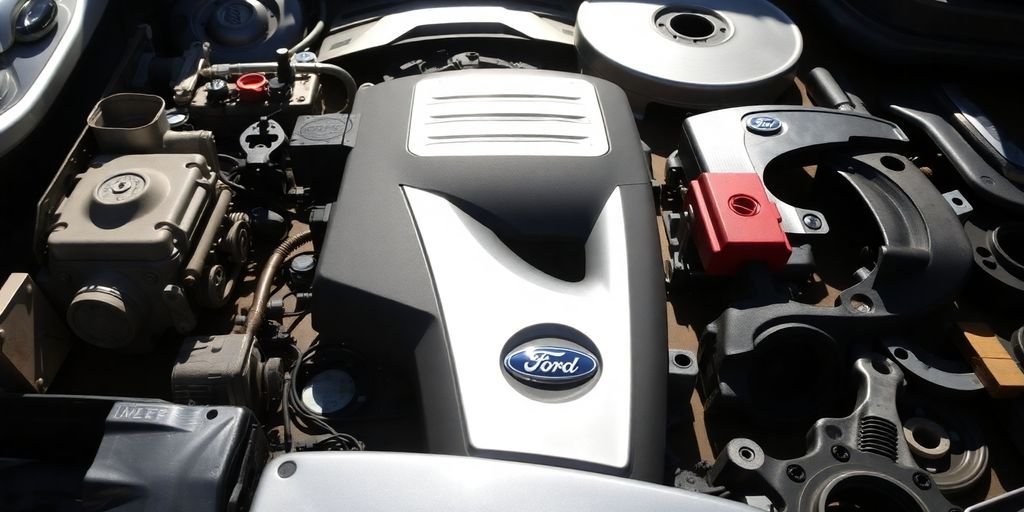
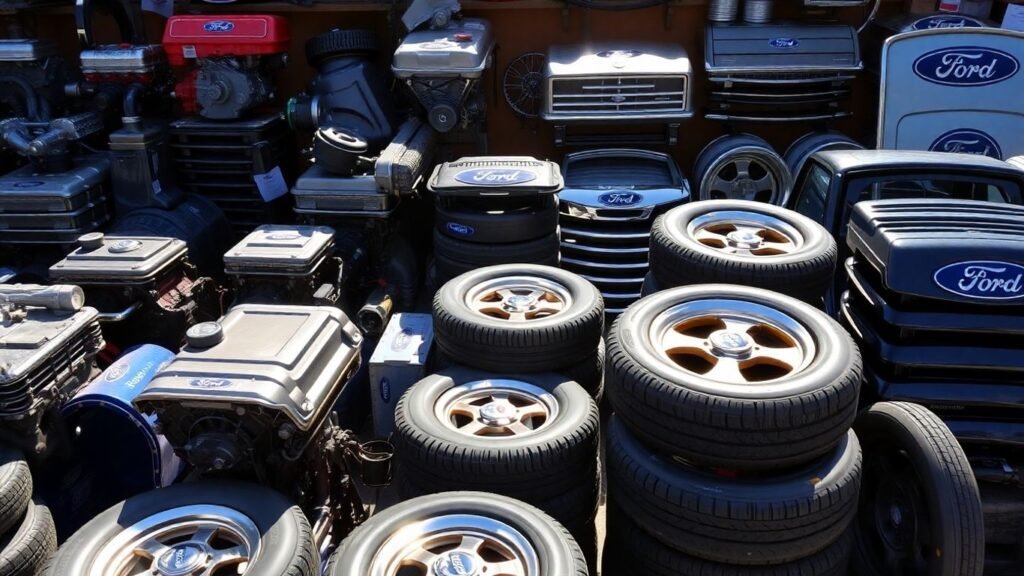
Ford car parts: engines, tires, body panels.
Blog

Find Ford Parts Australia Wide: Genuine & Aftermarket Options

Looking for Ford parts Australia wide? Whether you need genuine parts to keep your Ford running like new or aftermarket options to add your own touch, this guide covers what you need to know. We’ll help you find the right components, understand the benefits of going genuine, and even point you towards reliable repair services across the country. So, let’s get your Ford back in top shape. Key Takeaways Genuine Ford parts are designed and tested to meet Australian specifications, ensuring quality and safety for your vehicle. Aftermarket parts offer a way to customize your Ford, whether for performance upgrades or unique styling. You can find Ford parts Australia wide through dealerships, online stores, and specialized suppliers. Using genuine Ford parts can help protect your vehicle’s warranty and maintain its resale value. Understanding your right to choose a repairer and ensuring genuine parts are used is important for quality repairs. Genuine Ford Parts For Australian Roads Protect Your Ford With Genuine Parts When it comes to keeping your Ford running smoothly on Australian roads, sticking with genuine Ford parts is a smart move. These are the very same components that went into your car when it was first built. They’re designed specifically for your Ford model, meaning they fit right and work as intended. Using genuine parts helps maintain the integrity and performance of your vehicle, which is pretty important when you’re out on the highway or navigating city streets. Rigorous Testing For Quality and Safety Ford doesn’t just slap parts together and hope for the best. Genuine Ford parts go through some serious testing. We’re talking about making sure they can handle the tough conditions Australia throws at them, from extreme heat to rougher roads. This testing is all about making sure the parts are safe and perform reliably, so you can have peace of mind when you’re driving. The commitment to quality means that each genuine part is built to meet strict standards, aiming for a perfect balance of durability and function. Designed For Australian Specifications It’s not just about being a Ford part; it’s about being a Ford part for Australia. Ford designs and tests its genuine parts with Australian roads, climate, and driving habits in mind. This means they’re built to handle the specific demands of our environment, unlike parts that might be made for different markets. This attention to local specifications helps your Ford perform at its best right here at home. Aftermarket Ford Parts For Customisation Personalise Your Ford Experience So, you’ve got a Ford and you’re thinking about making it a bit more ‘you’. That’s where aftermarket parts come in. They’re not made by Ford, but they can be a great way to change up how your car looks or performs. Think different wheels, a new exhaust system, or even just some cool interior trim. It’s all about making your Ford stand out from the crowd and suit your personal style. Wide Range Of Aftermarket Options When you start looking at aftermarket parts, you’ll see there’s a massive variety out there. From suspension upgrades that can change how your car handles to body kits that give it a totally different look, the choices are pretty much endless. You can find everything from basic replacement parts that are cheaper than genuine ones to high-performance components designed for racing. It really depends on what you’re trying to achieve with your Ford. Upgrades For Performance And Style Many people turn to aftermarket parts to boost their Ford’s performance. This could mean adding a turbocharger for more power, upgrading the brakes for better stopping, or fitting a sports exhaust for a throatier sound. But it’s not just about going faster or sounding louder. Aftermarket parts can also be about making your car look better. Things like custom headlights, spoilers, or even just different floor mats can make a big difference to the overall appearance and feel of your vehicle. It’s a way to express yourself through your car. Choosing aftermarket parts means you’re stepping outside the official Ford catalogue. This can be exciting because you get access to a huge variety of brands and styles that Ford itself doesn’t offer. However, it’s also important to do your homework. Not all aftermarket parts are created equal, and some might not fit as well or last as long as you’d hope. Researching brands and reading reviews can save you a lot of hassle down the track. Finding Ford Parts Australia Wide Locating Your Nearest Ford Parts Supplier Finding the right Ford part across Australia can feel like a big task, but it’s usually simpler than you think. Your first stop should often be an authorised Ford dealership. They have direct access to genuine Ford parts, which are specifically designed for your vehicle. If you’re not near a major city, don’t worry; Ford has a network that covers most areas. You can usually find your closest dealer through the official Ford Australia website. They often have parts departments that can help you identify and order exactly what you need, even if it’s not in stock. Online And In-Person Part Acquisition These days, you’ve got options for getting your Ford parts. Going into a physical dealership or a dedicated auto parts store lets you see the part, talk to someone face-to-face, and get it right away if it’s available. It’s a good way to go if you’re unsure about what you need. On the other hand, buying online has really taken off. Many dealerships and specialist Ford parts suppliers have websites where you can browse and order. This can be super convenient, especially if you know the exact part number. Just make sure you’re buying from a reputable source to avoid fakes or the wrong item. Ensuring The Right Part For Your Ford Getting the correct part is really important. Using the wrong part can cause more problems down the line, and nobody wants that. When you’re looking for a part, having your vehicle’s VIN (Vehicle Identification Number) handy is
Shiny Ford car emblem
Blog

Find Genuine Ford Auto Parts for Your Vehicle Online

Looking for the right Ford Auto Parts for your car can feel like a puzzle. You want parts that fit perfectly and last, but with so many options out there, where do you even start? This guide is here to help you sort through the noise and find exactly what you need for your Ford, making sure your vehicle stays in top shape without any guesswork. Key Takeaways When looking for Ford Auto Parts online, stick to sources that clearly label items as genuine Ford components. Using your vehicle’s VIN (Vehicle Identification Number) is the best way to pinpoint the exact Ford Auto Parts you need. Always check the return policy and warranty information before buying Ford Auto Parts from any online store. Customer reviews can offer real insights into the quality and reliability of specific Ford Auto Parts and the sellers. Keep an eye out for sales and special offers to get the best deal on the Ford Auto Parts you require. Sourcing Authentic Ford Auto Parts Online Finding the right parts for your Ford can feel like a treasure hunt sometimes, especially when you’re looking online. You want to make sure what you’re buying is the real deal, not some cheap imitation that’s going to break down on you later. It’s all about getting parts that fit perfectly and work the way they’re supposed to, keeping your Ford running smoothly. Understanding Genuine Ford Parts Genuine Ford parts are made by Ford or by a company specifically for Ford. They’re designed to meet Ford’s exact standards for fit, function, and finish. Think of it like this: when you buy a Ford, you’re getting a vehicle built with specific components that work together. Replacing a part with a genuine Ford one means you’re keeping that original design integrity. It’s not just about the brand name; it’s about the engineering that went into making sure everything works as a system. Using genuine parts is the best way to maintain your Ford’s performance and longevity. Benefits of Using OEM Ford Components OEM stands for Original Equipment Manufacturer. So, OEM Ford components are essentially the same parts that were put into your car when it was first built. There are some solid reasons why people stick with these. For starters, they’re built to last and perform reliably. You also get that peace of mind knowing they’re designed for your specific Ford model. Plus, using OEM parts can help keep your vehicle’s warranty intact, which is always a good thing. It’s a way to protect your investment. Identifying Reputable Online Ford Parts Retailers When you’re shopping online, you’ve got to be a bit careful. You want to find sellers who are known for selling authentic Ford parts. Look for retailers that have a clear website, contact information, and a good history. Check if they specialize in Ford parts or have a wide selection of them. Sometimes, a retailer will even have a section on their site explaining how they source their parts. It’s also smart to see if they have a physical address listed, which can add a layer of trust. A good retailer will make it easy to find what you need and will stand behind the products they sell. Navigating Online Ford Parts Stores Finding the right Ford parts online can feel like a treasure hunt, but with a few tips, you can make it much easier. Using your Vehicle Identification Number (VIN) is the most reliable way to get the exact part you need. Utilizing VIN for Accurate Part Selection Your VIN is like a fingerprint for your car. It’s a unique 17-character code that tells you everything about your Ford, including its year, make, model, and even specific features. When you’re shopping for parts online, most reputable sites will have a spot to enter your VIN. This helps the system filter out parts that won’t fit, saving you the headache of returns. It’s way better than just guessing based on your car’s model year, as different trims or production runs can use different components. Comparing Prices for Ford Auto Parts Once you know the part you need, price shopping is the next step. Don’t just grab the first one you see. Different online stores can have quite different prices for the same genuine Ford part. It’s worth taking a few minutes to check a couple of different vendors. You might find a significant saving. Keep an eye out for shipping costs too, as that can sometimes change the overall price quite a bit. Part Name Store A Price Store B Price Store C Price Oil Filter $12.50 $11.99 $13.00 Brake Pads (Front) $75.00 $72.50 $78.00 Air Filter $25.00 $24.95 $26.50 Reading Customer Reviews for Online Stores Before you click ‘buy’, take a moment to see what other customers are saying about the online store and the specific part. Reviews can give you a good idea of the seller’s reliability, shipping speed, and how well they handle customer service. If a lot of people are complaining about slow shipping or incorrect parts, it’s probably best to look elsewhere. Good reviews often mention fast delivery and helpful support, which are great signs. Sometimes, a slightly higher price from a store with consistently good reviews and a clear return policy is a better deal in the long run than a cheaper option that might cause more problems. Essential Ford Auto Parts for Maintenance Keeping your Ford running smoothly means staying on top of regular upkeep. It’s not just about oil changes; certain parts wear out over time and need replacing to prevent bigger problems down the road. Think of it like this: you wouldn’t skip changing the batteries in your smoke detector, right? Your car needs that same kind of attention. Routine Maintenance Ford Parts When it comes to routine care, a few key items are always on the list. The oil filter and air filter are probably the most common. They trap gunk and debris, keeping your engine clean and breathing

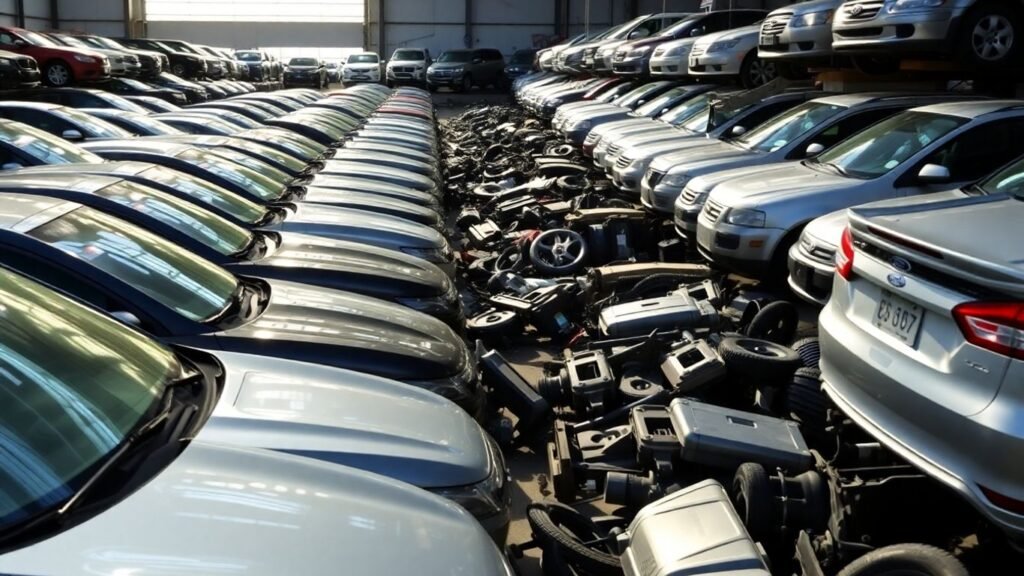
Rows of Ford vehicles in a salvage yard with many available parts.
Blog

Find Quality Used Parts at Ford Auto Wreckers Near You

Looking to fix up your Ford but don’t want to pay a fortune for new parts? It’s a common problem. New parts can really add up, but there are great options out there. Many people are finding that used parts from Ford auto wreckers are a smart way to go. You can get quality components that have been tested, often for a fraction of the cost. Plus, it’s a good way to find parts for older models that aren’t made anymore. Let’s talk about how to find what you need. Key Takeaways Ford auto wreckers offer a wide range of used parts for various Ford models, from trucks and SUVs to sedans and commercial vehicles. Used parts are tested for reliability, providing a dependable alternative to new components and often come at a lower price. Searching for parts is made easier with organized inventories and assistance from knowledgeable staff at Ford auto wreckers. Choosing used Ford parts can lead to significant cost savings and is an environmentally friendly option. Reputable Ford auto wreckers can be found using online tools and by checking their experience and service offerings. Finding Quality Used Ford Parts When your Ford needs a new part, going with used can be a smart move. It’s often much easier on the wallet than buying brand new, and it’s a good way to keep older vehicles on the road. The key is finding parts that are still in good working order. We make it pretty simple to find what you’re looking for. You can usually start by picking the year of your Ford, then the specific model, like an F-150 or a Mustang. After that, you’ll see different categories of parts. Just click on the one you need, say, for the suspension or the engine, and you’ll get a list of what’s available. It’s a straightforward process to see if we have that specific component you need. We get new inventory in all the time, so it’s always a good idea to check back if you don’t find what you need right away. Every part is checked when it comes in, and then checked again before it gets sent out to you. This way, you can be more confident you’re getting something that works. Here’s a look at some of the types of parts you might find: Part Category Examples Air and Fuel Systems Air Flow Meter, Fuel Tank, Fuel Injection Parts, Throttle Body Axle Parts Axle Shaft, Carrier Brake Parts Anti-Lock Brake Part, Hub, Power Brake Booster Body Parts Center Pillar Cooling and Heating Radiator, Condenser Navigating Your Search for Ford Auto Wreckers Quick and Easy Part Identification Finding the right used Ford part doesn’t have to be a headache. Most reputable yards have systems in place to make it simple. You can usually start by telling them your Ford’s year and model. For example, if you need a part for a 2018 Ford F-150, you’d select ‘2018’ and then ‘F-150’. From there, you can browse through categories like ‘Engine’, ‘Body’, ‘Suspension’, or ‘Brakes’. This structured approach helps you pinpoint exactly what you’re looking for without sifting through unrelated items. It’s like having a map to your car’s needs. Assistance from Parts Experts Sometimes, even with a good system, you might not be sure which part is the correct one, or you might be looking for something a bit more obscure. Don’t hesitate to ask for help. Many auto wreckers have staff who know Fords inside and out. They can help you identify the right component, check compatibility, and even suggest alternatives if your first choice isn’t available. They’ve seen it all and can offer advice based on real-world experience. It’s always a good idea to have your Vehicle Identification Number (VIN) handy when you call or visit. This number is like a fingerprint for your car and helps the parts experts find the most accurate match for your specific vehicle, even down to the trim level or specific factory options. Competitive Pricing for Your Needs One of the biggest draws of buying used parts is the cost savings. You can often get a quality component for a fraction of the price of a new one. Prices can vary depending on the part, its condition, and the rarity of the vehicle it came from. It’s worth comparing prices between a couple of different yards if you have the time, but generally, you’ll find significant savings compared to buying new. Part Type New Price (Est.) Used Price (Est.) Engine $3,000 – $7,000 $800 – $2,500 Transmission $2,500 – $6,000 $700 – $2,000 Fender $200 – $400 $75 – $150 Headlight Assembly $150 – $300 $50 – $100 A Wide Selection of Ford Models Available Popular Ford Trucks and SUVs When you’re looking for parts for your Ford truck or SUV, you’ll find a huge variety here. We get in all sorts of models, from the workhorse F-Series trucks like the F-150, F-250, and F-350, to popular SUVs such as the Explorer, Expedition, and the rugged Bronco and Bronco Sport. If you need something a bit smaller, the Ranger and Maverick are also commonly available. We also stock parts for the Edge and EcoSport. Sedans and Crossovers in Stock It’s not just trucks and SUVs, either. We have a good selection of parts for Ford sedans and crossovers too. Think about models like the Fusion, Taurus, and Fiesta. For those looking for something in between, the Escape and the Flex are often found in our inventory. We also carry parts for the Transit Connect, which bridges the gap between passenger and cargo vehicles. Commercial Ford Vehicles Need parts for your business fleet? We’ve got you covered there too. Our inventory includes a solid range of commercial Ford vehicles. This means you can find parts for various Transit models, including the Transit 150, Transit 250, and Transit 350. These vans are workhorses, and keeping them running smoothly is key for any business. Finding the right used part for your specific

Ford engines on supplier line with technicians and robotic arms.
Blog

Unpacking the Key Ford Engine Supplier: Who Keeps the Blue Oval Running?

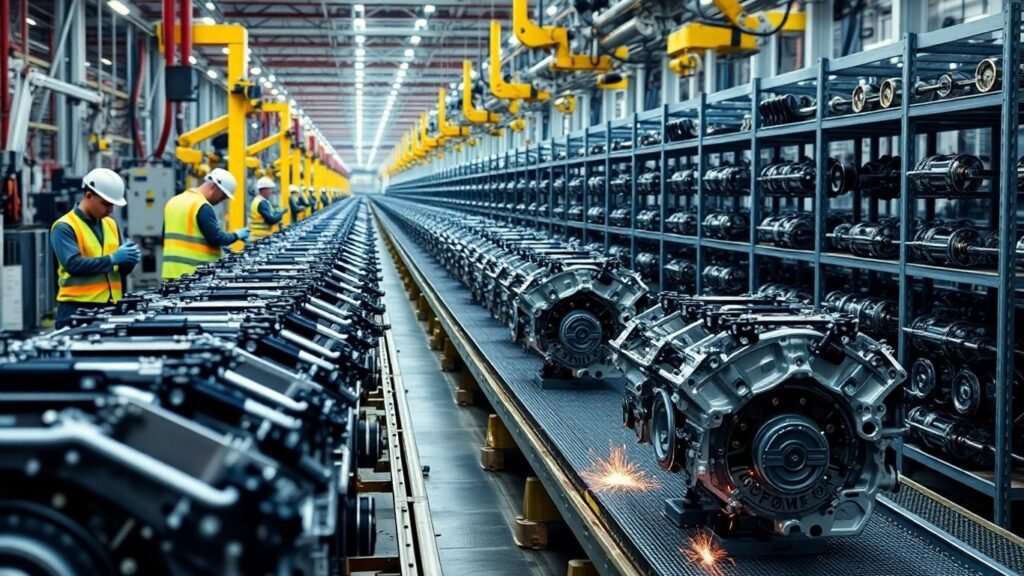
Ever wonder who makes the engines that power your Ford? It’s not just one company, but a network of partners. This article takes a look at what it takes to be a Ford engine supplier, from how they’re picked to what they actually have to do. We’ll also touch on how these suppliers help Ford build better trucks and cars, and what it means for you when you’re out on the road. Key Takeaways Ford picks its engine suppliers based on strict criteria, looking at cost, manufacturing ability, and how much they can produce. Long-term deals are common, with suppliers needing to meet performance goals. A Ford engine supplier must be good at making parts precisely, assembling them correctly, and meeting targets for power, fuel saving, and how long the engine lasts. They also need to be ready with software and security. The whole process of getting engines and parts to Ford factories involves careful planning, with suppliers often working closely with Ford on new engine tech like turbocharging and hybrid systems. Ford manages risks by working with multiple suppliers and having backup plans. They also expect suppliers to be financially stable and able to react quickly if there are problems with parts. Suppliers also need to meet Ford’s goals for being environmentally friendly, like reducing their carbon footprint and using materials responsibly. This affects how easily you can get your car fixed later on. How Ford Chooses Its Engine Supplier Partners Ford doesn’t pick an engine partner on a hunch. It’s a slow, methodical sort of courtship that starts on the factory floor and ends in spreadsheets. The yardstick is simple: repeatable quality at scale, with honest costs and low risk. Sourcing Criteria That Define A Ford Engine Supplier The short version is that the plant has to prove it can hold tight tolerances all day, not just on a demo part. That means stable casting or forging inputs, precise machining, clean assembly, and hard data to back it up. Auditors look for capable processes (statistical control on key dimensions), clean rooms where they matter, leak-test rigor, and full traceability from heat lot to final serial number. They want to see APQP done properly, PPAP on time, and Run@Rate that hits the booked volume without a hero shift. Certifications are a floor, not a trophy. IATF 16949 for quality management is expected, along with ISO 14001 for environment and often ISO 45001 for safety. Cybersecurity controls for connected equipment and production data get a closer look now, especially where engine ECUs, calibration flashes, or test benches touch networks. On the compliance side, content rules (like USMCA), trade exposure, labor standards, and supplier sub-tier transparency are all part of the file. Capacity isn’t just a number; it’s a plan. Reviewers ask for headroom above forecast, tooling maintenance schedules, metrology calibration logs, and spare-parts strategies. If the line needs new fixtures or cutters to hit a new bore finish, they expect the capital plan right there in the deck. Buy the process, not the part. Engines are built by routines and records more than by machines alone. Balancing Cost, Capability, And Capacity The lowest quote doesn’t always win. Ford models total landed cost: piece price, freight, tariffs, currency swings, scrap and rework risk, even warranty exposure. Then it stacks that against what the factory can actually hold—things like CpK on critical features, leak-rate benchmarks, and cleanliness specs that keep bearings and injectors happy. Finally, it checks whether the site can run today’s plan and still absorb launch spikes, line stoppages, or a last-minute running change. Factor Typical measure Target guide Total cost vs. risk Landed cost after logistics and duties Within 3–5% of lowest risk-adjusted quote Process capability CpK on critical dims; leak rate; cleanliness ≥1.67 on criticals; <10 sccm leaks; <10 mg/part debris Capacity and uptime Daily units; OEE; capacity headroom OEE ≥85%; 15–20% headroom above peak plan Delivery performance On-time to request; lead time ≥98% on-time; stable lead time with buffer plan If a supplier needs new grinders, torque tools, or vision systems to reach these targets, Ford weighs that capital against the long-term piece price curve. It’s a straight trade: tighter processes now for fewer headaches later. Long-Term Contracts And Performance Benchmarks Most awards run for multiple years, and the paperwork reads like a marriage with bank statements. Price curves include year-over-year reductions, index links for metals and energy, and rules for reopening talks if something big swings. Tooling ownership is spelled out, as are service-part obligations that last long after a model ends. Data access, cybersecurity rules, and safe-launch protocols live right next to penalties and bonuses. Scorecards keep the pressure steady. Reviews are frequent early in a launch, then settle into a rhythm once the build stabilizes. The metrics are simple and hard to argue with. KPI Typical target Review cadence Defect rate (PPM) <10 PPM to plant Monthly On-time delivery ≥98% Weekly during launch; monthly steady state Warranty returns per 1,000 engines <0.5 Quarterly Cost reduction (YoY) 2–3% Annual true-up PPAP and Run@Rate on time ≥95% of gates met Gate-based reviews When a partner keeps hitting these marks, volumes grow and programs follow. Miss them, and second sources get louder in the conversation. What A Ford Engine Supplier Must Deliver Precision Machining, Casting Quality, And Assembly Discipline The work starts long before the engine fires for the first time. Castings need clean metal, stable cores, and tight control of porosity, or the rest of the build turns into damage control. Melt chemistry, heat treatment, and core alignment sound like foundry trivia, but they decide whether a block keeps its shape under heat and pressure or walks out of spec after a few hours on a dyno. CNC lines then chase microns, not millimeters. Bore geometry, deck flatness, and cam bores get measured in-process, with any drift flagged right away. Cleanliness is treated like a spec, not a wish. Residual grit or chips left in oil galleries show up months later as scored bearings and

Ford truck differential assembly
Blog

Find Quality Ford Diff Wreckers for Your Truck

So, you need a new differential for your Ford truck, huh? It can be a bit of a headache trying to find the right parts without breaking the bank. But don’t worry, there are places that specialize in this. We’re talking about Ford diff wreckers – basically, salvage yards that know their stuff when it comes to Ford truck components. Finding good ones is key to getting your truck back on the road reliably. Let’s break down how to find them and what to look for. Key Takeaways When looking for Ford diff wreckers, check their inventory and the condition of used parts. Always ask about warranties on used differential parts before buying. Understand the core return policy and shipping details when purchasing parts. Buying used parts from wreckers can save you money and is good for the environment. Verify part compatibility and consider specialized services like differential repair. Finding Reputable Ford Diff Wreckers Understanding the Importance of Quality Ford Diff Wreckers When your Ford truck’s differential needs attention, finding a reliable wrecker is key. It’s not just about getting a part; it’s about getting a part that will last and keep your truck running smoothly. A bad differential can cause all sorts of problems, from poor handling to complete breakdown. Choosing a good wrecker means you’re more likely to get a quality used part that’s been properly inspected and is ready to go. Think of it like this: you wouldn’t buy a used engine without checking its history, right? The same applies to your differential. You want to avoid the headache of buying a part that fails soon after installation. That’s why taking the time to find a reputable source is so important for your truck’s health and your wallet. Where to Locate Trusted Ford Diff Wreckers Finding a good place to get Ford differential parts can feel like a treasure hunt. Online searches are a good start, but you need to look beyond just the first few results. Many established wrecking yards have websites where they list their inventory. Look for places that specialize in trucks or specifically Ford vehicles. Sometimes, local mechanics or even Ford dealerships can point you toward trusted local wreckers they’ve worked with. Don’t be afraid to ask around in Ford truck owner forums or groups online; other owners often share their experiences and recommendations. It’s also worth checking out businesses that have been around for a while, as they often have a solid reputation built over years of service. What to Expect from Professional Ford Diff Wreckers When you connect with a professional Ford diff wrecker, you should expect a certain level of service and transparency. They should have a good inventory of Ford differential parts for various truck models and years. A good wrecker will be able to tell you about the condition of the part, where it came from, and any testing it has undergone. They should also be able to answer your questions about compatibility and installation. Expect them to have clear policies on returns and warranties, which are signs of a business that stands behind its products. If they seem hesitant to provide details or offer no guarantees, it might be a sign to look elsewhere. A professional outfit makes the process of finding and buying used parts much easier and more reliable. Key Considerations When Choosing Ford Diff Wreckers So, you need a new differential for your Ford truck. That’s a big job, and picking the right place to get the part is pretty important. It’s not just about finding the cheapest option; you want something that’s going to last. Let’s talk about what you should be looking at when you’re shopping around for Ford differential parts from wrecking yards. Assessing Inventory for Ford Differential Parts When you’re looking for a differential, the first thing you’ll want to check is what they actually have. A good wrecker will have a decent stock of parts for various Ford truck models and years. It’s helpful if they specialize in Ford trucks, as they’ll likely have more options for your specific needs. Think about your truck – is it a common model like an F-150, or something a bit older or less common? The more variety they have, the better your chances of finding exactly what you need without having to go to multiple places. Some places might list their inventory online, which can save you a trip. If not, a quick phone call to ask about their stock for your particular truck model and year is a good idea. Evaluating the Condition of Used Ford Differential Components This is where you really need to be careful. You’re buying used parts, so they’ve already seen some action. You want to find a differential that looks clean and well-maintained, not something that’s covered in rust or looks like it’s been through a war. Look for signs of leaks around the seals, and if possible, check the fluid inside. If it’s milky or full of metal shavings, that’s a bad sign. Some wreckers will even let you spin the driveshaft to check for smooth operation and listen for any grinding noises. Don’t be afraid to ask questions about the truck the differential came from, like its mileage or any known issues. A reputable yard will be upfront about this information. Checking for Warranties on Ford Differential Parts This is a big one. Buying a used part without any kind of guarantee can be risky. Many good Ford diff wreckers will offer some sort of warranty on their parts, even if it’s just for a short period, like 30 or 90 days. This gives you a bit of peace of mind knowing that if the part fails shortly after installation, you won’t be completely out of pocket. Understand what the warranty covers – does it cover just the part itself, or does it include any labor if something goes wrong? It’s always best to get the warranty details in writing before you make

Ford transmission parts: gears and components
Blog

Find High-Quality Ford Transmission Parts for Your Vehicle

If you’re a Ford owner, keeping your transmission in good shape is pretty important. It’s not just about smooth driving; it’s about avoiding those really expensive repairs down the road. Think of it like this: you wouldn’t ignore a strange noise from your engine, right? Your transmission deserves the same attention. Whether you’ve got an automatic, manual, or a newer CVT, knowing what parts to look for and how to spot trouble can save you a lot of headaches. We’ll cover the basics of Ford transmission types, the parts you might need, and how to keep everything running smoothly. Key Takeaways Regularly check your Ford’s transmission fluid level and color to catch problems early and prevent costly repairs. Unusual noises or hesitation during gear changes are common signs that you might need new Ford transmission parts. Choosing the right Ford transmission parts involves ensuring they match your specific Ford model and are made from durable materials. Routine maintenance and avoiding aggressive driving habits can help extend the life of your Ford transmission. When sourcing Ford transmission parts, look for quality components with precise engineering for a smooth fit and reliable performance. Understanding Ford Transmission Types Ford has put a lot of different transmissions in their vehicles over the years. Knowing which one you have is pretty important when you need to buy parts or get it fixed. They mainly fall into a few categories. Ford Automatic Transmissions These are the most common type you’ll find. In a Ford automatic, the car’s computer and a bunch of sensors figure out when to change gears. It uses fluid pressure inside the transmission to make those shifts happen. It’s designed to be smooth and pretty hands-off for the driver. You’ll see these in everything from sedans to trucks. Ford Manual Transmissions If you like being more involved with your driving, you might have a manual transmission, sometimes called a stick shift. With these, you’re the one in charge of changing gears. You use the clutch pedal and the gear shifter to select the right gear for the situation. It gives you more control, and some people just prefer the feel of it. Ford CVT Transmissions CVT stands for Continuously Variable Transmission. Ford has started using these in some of their newer models. Instead of having fixed gears like a traditional automatic or manual, a CVT has a system that can change through a continuous range of gear ratios. The idea is to keep the engine in its most efficient spot, which can help with fuel economy and give you smoother acceleration. It’s a bit different from what most people are used to. It’s good to know what kind of transmission your Ford has. It makes a big difference when you’re looking for the right parts or trying to explain a problem to a mechanic. They all work differently and have their own quirks. Essential Ford Transmission Parts When your Ford’s transmission needs attention, knowing the right parts is half the battle. It’s not just about replacing what’s broken; it’s about getting parts that will last and work well with your specific vehicle. Think about the clutch parts for manual transmissions – things like the clutch disc, pressure plate, and release bearing. These work together to connect and disconnect the engine from the transmission, and when they wear out, you’ll definitely feel it. For automatic transmissions, the picture gets a bit more complex. You’ve got torque converters, transmission fluid pumps, valve bodies, and seals. These components manage the fluid pressure that shifts gears. Then there are the rebuild kits, which are basically collections of seals, gaskets, and friction materials designed to bring a worn-out transmission back to life. Don’t forget about the driveline parts that connect the transmission to the wheels. This includes things like CV joints, driveshafts, and U-joints. If these aren’t in good shape, you might notice vibrations or a clunking sound when you accelerate or turn. Part Category Common Components Clutch System Clutch Disc, Pressure Plate, Release Bearing, Flywheel Automatic Transmission Torque Converter, Valve Body, Pump, Seals, Clutch Packs Rebuild Components Gaskets, Seals, Friction Plates, Steel Plates Driveline CV Joints, Driveshafts, U-Joints, Axles Getting the right parts means looking at your Ford’s model and year. Using parts that aren’t designed for your transmission can lead to more problems down the road. It’s always better to get parts made with good materials and engineered precisely for your Ford. Maintaining Your Ford Transmission Keeping your Ford’s transmission in good shape is pretty important if you want it to last. It’s not just about avoiding a big repair bill down the road, though that’s a big part of it. A well-maintained transmission means your car drives better, shifts smoother, and generally performs how it should. Checking Fluid Levels and Color One of the simplest things you can do is keep an eye on your transmission fluid. It’s like the oil for your engine, but for the transmission. You’ll want to check it regularly. Low fluid can cause all sorts of problems, from rough shifting to overheating. The color is a good indicator too. Fresh fluid is usually bright red and clear. If it looks dark brown, black, or has a burnt smell, that’s a sign something’s not right and it might be time for a change or a closer look. Preventing Costly Repairs Honestly, a lot of transmission issues can be avoided with a little bit of care. Don’t ignore strange noises or how your car shifts. If you start hearing whining, clunking, or if it feels like the gears are hesitating or slipping, get it checked out sooner rather than later. Small problems can turn into massive, expensive ones pretty quickly if you let them go. Importance of Routine Services Sticking to a regular service schedule is key. This usually involves checking and changing the transmission fluid and filter at the intervals recommended in your owner’s manual. Think of it like getting regular check-ups at the doctor; it helps catch things before

Ford gearbox repair close-up
Blog

Find Your Local Ford Gearbox Specialist for Expert Repairs

When your Ford’s gearbox starts acting up, it’s not something you want to mess around with. These transmissions are pretty complex, and trying to fix them yourself could end up making things worse. That’s why finding a good Ford gearbox specialist is super important. They’ve got the right training and tools to figure out what’s wrong and get your car shifting smoothly again. Let’s talk about how to find one and what makes them the best choice for your Ford. Key Takeaways Look for a Ford gearbox specialist who knows Ford transmissions inside and out. Certified technicians and modern diagnostic tools are signs of a good specialist. Expect a range of services, from regular checks to fixing internal parts. Always ask about genuine Ford parts for the best results. A good specialist will get your Ford back on the road fast and keep you informed. Locating Your Premier Ford Gearbox Specialist Finding the right place to get your Ford’s gearbox fixed is a big deal. It’s not like just popping into any old garage. Ford transmissions, whether they’re the automatic kind or the manual ones, have their own quirks and specific needs. You really want someone who knows Fords inside and out, not just general car stuff. Think about it – your car’s transmission is pretty complex. It’s what makes your car move, and if it’s not right, your whole driving experience suffers. So, where do you even start looking for these specialized folks? Understanding the Need for Specialized Ford Gearbox Service Your Ford’s gearbox is a pretty intricate piece of machinery. It’s designed with Ford’s own engineering in mind, meaning a standard mechanic might not have the specific training or tools to properly diagnose and fix issues. Trying to get a specialized repair at a place that doesn’t focus on Ford transmissions could lead to more problems down the road, or at least a repair that doesn’t last. It’s like trying to fix a fancy coffee machine with a regular screwdriver – it might work for a bit, but it’s probably not going to be done right. When your Ford’s transmission starts acting up, it’s not just an inconvenience; it can affect your car’s performance, fuel economy, and even its safety. Getting it looked at by someone who truly understands Ford’s specific transmission technology is the best way to ensure a lasting fix. Identifying Reputable Ford Gearbox Repair Centers So, how do you find these Ford gearbox wizards? Start by looking for repair shops that specifically mention Ford transmission services. Check online reviews, but don’t just look at the star rating. Read what people are saying. Are they mentioning specific positive experiences with Ford transmissions? Ask friends or family if they have a go-to mechanic for their Ford. Sometimes word-of-mouth is the best way to find a hidden gem. You can also check if a shop is certified by Ford or has technicians who are certified by organizations like ASE (Automotive Service Excellence), especially if they have Ford-specific certifications. Service Type Common Issues Addressed Automatic Transmission Slipping gears, rough shifting, delayed engagement, fluid leaks Manual Transmission Difficulty shifting, grinding noises, clutch problems, worn bearings All Transmissions Overheating, strange noises, warning lights, complete failure What to Expect from a Ford Gearbox Specialist A good Ford gearbox specialist will be upfront about everything. They should be able to explain what’s wrong with your transmission in a way you can understand. They’ll likely use special diagnostic equipment designed for Ford vehicles to pinpoint the problem. You should expect a clear estimate before any work begins, detailing the parts and labor costs. They should also be able to tell you about the warranty they offer on their work and the parts they use. It’s all about clear communication and confidence that they know what they’re doing with your Ford’s transmission. Expertise in Ford Transmission Systems Specialized Knowledge of Ford Gearbox Technology Ford vehicles have their own unique way of doing things, especially when it comes to the transmission. It’s not like a one-size-fits-all situation. Different Ford models, and even different years of the same model, can have quite different gearbox designs. We’re talking about everything from the older, robust manual transmissions to the more complex modern automatic and dual-clutch PowerShift units. A specialist knows these differences inside and out. They understand the specific hydraulic systems, the electronic controls, and the precise tolerances that keep these transmissions shifting smoothly. This deep familiarity means they can spot problems that a general mechanic might miss. Certified Technicians for Ford Gearbox Repairs When you’re looking for someone to fix your Ford’s gearbox, you want to know they’ve got the right training. Certified technicians have gone through specific programs focused on Ford vehicles. This means they’ve been taught the correct procedures for diagnosing and repairing Ford transmissions, using the right tools and methods. It’s not just about having a wrench; it’s about knowing exactly how to use it on your specific Ford. This certification gives you peace of mind that the person working on your car actually knows what they’re doing. Advanced Diagnostic Tools for Ford Transmissions Modern Ford gearboxes are packed with sensors and computer controls. Figuring out what’s wrong often requires more than just listening to the engine or looking under the car. Specialists have access to the same advanced diagnostic equipment that Ford dealerships use. This equipment can plug into your car’s computer system and read error codes, monitor sensor data in real-time, and even test individual transmission components. It’s like having a direct line to your car’s brain, allowing for a much faster and more accurate diagnosis of transmission issues. Without these tools, you’re basically guessing, and that’s not what you want when dealing with something as complex as a gearbox. Fixing a transmission is a big job. It involves a lot of moving parts and precise adjustments. Trying to do it without the right knowledge or tools can easily make things worse, leading to more expensive repairs down the line. It’s always

Various Ford engines for sale.
Blog

Find Your Perfect Ford Engines for Sale: Crate, Performance, and More

Looking to boost your ride’s power? Finding the right Ford engine for sale can seem like a big job, but it doesn’t have to be. Whether you’re into classic muscle, modern performance, or just need a reliable replacement, Ford offers a ton of options. From ready-to-go crate engines to specialized powerhouses, there’s something out there to fit your project and your budget. Let’s break down what’s available and how to pick the best Ford engine for your needs. Key Takeaways Ford crate engines offer a simpler way to upgrade your vehicle, coming pre-assembled and ready for installation. You can choose from various Ford crate engine families, including classic pushrod designs and modern modular options like the Coyote. Performance Ford engines for sale range from pushrod V8s to turbocharged EcoBoost variants, catering to different power goals. Iconic Ford engine blocks like the Boss 302, 351, and the mighty 460 are available as crate engines for classic builds. When selecting a Ford engine for sale, consider your project’s specific needs, desired drivability, and sound, and don’t forget to ask key questions before buying. Exploring Ford Crate Engines For Sale Building an engine from scratch can be a real headache, taking up tons of time and needing all sorts of special tools. But what if there was a simpler way to get more power and torque into your ride? That’s where Ford crate engines come in. They’re basically pre-assembled powerhouses, ready to drop into your project. Ford Performance offers a whole bunch of them, from the old-school 302 to the modern Coyote, all built to perform whether you’re cruising the street or hitting the track. Understanding Crate Engine Configurations Crate engines aren’t all the same. Some come as a "short block," which means you get the engine block, crankshaft, and pistons. This gives you a lot of freedom to pick out the rest of the parts yourself. Others are "long blocks," which include the short block parts plus the complete valvetrain, camshaft, cylinder heads, intake, and carburetor. These are usually the quickest to install because all the parts are guaranteed to work together. Either way, a crate engine is a solid way to boost your car’s performance without the usual build headaches. Ford’s Crate Engine Families Ford organizes its crate engines into different groups, making it easier to find what you need. You’ve got your classic pushrod engines, often based on well-known blocks like the Boss 302, 351, and the big 460. Then there are the more modern aluminum engines, like the popular Coyote. It’s good to know which family your project fits into. Choosing the Right Crate Engine Stage Ford Performance offers its street crate engines in different "stages," usually based on horsepower. You can find options ranging from around 270 horsepower all the way up to over 555 horsepower. This means you can pick an engine that matches what you want to do with your car, whether it’s just a bit more pep or serious muscle. It’s all about matching the power level to your specific needs and budget. Performance Ford Engines For Sale: Powering Your Project When you’re looking to really wake up your project car or truck, a performance Ford engine is where it’s at. Forget the headaches of rebuilding an old mill or trying to piece together parts; Ford Performance offers a solid lineup of engines built for serious power, whether you’re hitting the street, the strip, or the track. Pushrod Performance Engines Ford’s pushrod engines are legendary for a reason. Think of the classic Boss 302 and 351 blocks. These aren’t just old engines; they’re the foundation for some seriously potent crate engines. You can find them configured as stroker blocks, giving you that extra displacement for more grunt. They’re designed to be reliable and offer that unmistakable V8 rumble, making them a great choice for cruising or a bit of spirited driving. They often come fully dressed, meaning you get a complete, ready-to-install package that simplifies your build. Modular Coyote Crate Engines Moving into more modern territory, the Ford Coyote engine is a game-changer. The Gen 3 5.0L Coyote is super versatile, fitting everything from street rods to serious drag racing machines. If you want the absolute most from a naturally aspirated modular Ford engine, check out the Aluminator 5.2 XS. It pulls technology straight from the Shelby GT350, boasting 580 horsepower at 7,800 rpm. These engines are all-aluminum, featuring dual overhead cams and variable timing for peak efficiency and power. Turbocharged EcoBoost Options Don’t count out the EcoBoost. Ford’s 2.3L EcoBoost crate engine is an all-aluminum powerhouse with dual overhead cams and twin independent variable timing. Add in its dual water-cooled turbochargers, and you’ve got a compact, potent package with 310 horsepower. These are fantastic for engine swaps where space or weight is a concern, offering modern performance and efficiency. Choosing the right performance engine means matching its power output and characteristics to what you actually plan to do with your vehicle. A high-strung race engine might be overkill for a daily driver, while a milder street engine might leave you wanting more on the track. Iconic Ford Engine Blocks Available When you’re looking to give your classic Ford a serious power boost or build something truly special, you can’t overlook the legendary engine blocks Ford has produced over the years. These aren’t just pieces of metal; they’re the heartbeats of some of the most iconic vehicles ever made, and Ford Performance offers them as crate engines, ready for your next project. Boss 302 and 351 Crate Engines The Boss 302 block is a fantastic starting point for many high-performance builds. It’s the foundation for engines known for their streetability and track capability. You can find these as fully dressed crate engines or as long blocks, giving you a solid base for a custom build. Then there’s the Boss 351, which is often seen as a modern take on Ford’s legendary powerhouses. These crate engines can come in configurations offering substantial displacement and horsepower,

Close-up of gleaming Ford car parts arranged neatly.
Blog

Find Quality Ford Parts from a Trusted Supplier

Finding the right Ford parts supplier can feel like a maze, especially with so many options out there. You want parts that fit well and last, but also a supplier you can actually count on. It’s not just about getting a part; it’s about keeping your Ford running smoothly and safely. This guide will help you sort through the noise and find a reliable Ford parts supplier that meets your needs, whether you’re looking for genuine Motorcraft components or specialized parts for your commercial vehicle. Key Takeaways Genuine Ford parts, often branded as Motorcraft, are designed for optimal fit, performance, and durability. When choosing a Ford parts supplier, look for certifications like ISO and IATF 16949, and check their quality verification processes. Many quality Ford parts originate from China, with key manufacturing hubs offering cost-effective solutions and skilled production. A good Ford parts supplier should have strong customer reviews, transparent service metrics like fast response times, and reliable delivery. Consider suppliers with OEM/ODM capabilities, especially if you need custom solutions or have specific fitment requirements for your Ford parts. Understanding Genuine Ford Parts When you’re looking to keep your Ford running just right, sticking with genuine Ford parts is usually the way to go. These are the parts that were actually designed and tested for your specific Ford model, whether it’s a car you use for weekend trips or a truck that works hard every day. Using parts made by Ford means you’re getting something that fits perfectly the first time and is built to last. It’s like using the right tools for the job – it just works better. Why Choose Genuine Ford Parts Opting for genuine Ford parts is about more than just the brand name. It’s about making sure your vehicle performs as intended and stays reliable. These parts go through strict testing to meet Ford’s own standards for quality and safety. When you install a genuine Ford part, you can be more confident that it will work correctly with your car’s other systems. This can save you headaches and potential repair costs down the road. Verifying Authenticity of Ford Parts It’s not always easy to tell if a part is truly genuine. Sometimes, parts might look similar, but their quality can be very different. To be sure you’re getting the real deal, you can ask suppliers for proof of where the materials came from or for reports from factory inspections. Suppliers who can show you where their raw materials originated often provide more transparency. Looking for suppliers who have certifications or work with well-known brands can also be a good sign they meet high standards. Motorcraft: Ford’s Official OEM Brand When you see the Motorcraft name, know that it’s Ford’s own brand for original equipment manufacturer (OEM) parts. These parts are made to the same specifications as the ones that came with your Ford when it was new. Motorcraft parts are engineered to work well with your Ford vehicle, offering a good balance of quality and price. They are a reliable choice for most repairs and maintenance needs, ensuring your Ford continues to operate smoothly and safely. Key Criteria for Selecting a Ford Parts Supplier When you’re looking for parts for your Ford, picking the right supplier makes a big difference. It’s not just about getting the part you need; it’s about making sure it’s good quality and that the company you’re buying from is reliable. You don’t want to end up with something that breaks quickly or doesn’t fit right. So, what should you look for? Evaluating Supplier Certifications and Standards First off, check if the supplier follows industry rules. Things like ISO certifications or being compliant with IATF 16949 are good signs. These show they’re serious about quality. Also, see if they work with big, well-known car brands. If a supplier is listed as an OEM for other major companies, it means they likely meet Ford’s own strict requirements too. It’s like a stamp of approval that they know how to make parts that work. Assessing Quality Verification Processes Beyond certifications, how does the supplier actually check their parts? Ask about things like where they get their raw materials from and if they can trace them. Do they inspect the finished parts? Do they get outside companies to test their products? Suppliers who can show you this kind of detail are usually more trustworthy. It means they care about what they’re selling. Analyzing Service Metrics and Reliability Think about how quickly they get back to you. If you send an email, how long does it take for them to reply? A quick response, maybe within a few hours, is usually a good sign. Also, look at their on-time delivery rate. A rate above 95% is pretty solid. Another thing to consider is their reorder rate – if lots of customers buy from them again, that tells you they’re doing something right. Some suppliers even share their revenue figures, and seeing a stable income can mean they’re a solid business to work with. Choosing a supplier isn’t just about the price. It’s about finding a partner who can consistently provide good parts and good service. Looking into their certifications, how they check quality, and how they treat their customers will save you a lot of headaches later on. Global Hubs for Ford Parts Manufacturing When you’re looking for Ford parts, it’s helpful to know where a lot of them actually come from. China has become a massive player in making car parts for all sorts of vehicles, including Fords. Think of it like this: many of the factories that make parts for different car brands are located there. This is because China has built up a lot of expertise and infrastructure for this kind of manufacturing over the years. China’s Dominance in Automotive Parts It’s pretty clear that China leads the pack when it comes to producing automotive components globally. They’ve got a huge manufacturing base that supports a wide range of parts, from

Ford car parts and spares.
Blog

Find Top Ford Wreckers in Australia for Quality Parts & Spares

Looking for reliable Ford parts across Australia? Whether you’re driving a classic Falcon, a tough Ranger, or a family-friendly Territory, finding quality used or new parts can be a challenge. This guide is here to help you connect with reputable Ford wreckers nationwide, ensuring you get the right components to keep your vehicle running smoothly. We’ll cover popular models and what to look for when sourcing spares. Key Takeaways Many Australian Ford wreckers offer a wide range of parts for popular models like the Falcon, Ranger, and Territory. Look for wreckers who provide warranties on used parts for added peace of mind. Fast shipping across Australia is available from many specialist Ford wreckers. Some wreckers also stock genuine new Ford parts at competitive prices. Contacting customer service can help locate hard-to-find or specific Ford parts. 1. Ford Falcon Parts When it comes to keeping your Ford Falcon running smoothly, finding reliable replacement parts is key. Whether you’re dealing with a classic EA or a more recent FG model, the availability of quality used and new parts can make all the difference. Many wreckers specialize in Ford vehicles, meaning they often have a good stock of Falcon components, from engines and transmissions to smaller body panels and interior bits. It’s always a good idea to check if the parts come with any kind of warranty, even a short one, for peace of mind. Finding specific parts for older Falcons can sometimes be a challenge, but many reputable wreckers have been in the business for decades and have built up extensive networks. They might even be able to source those harder-to-find items for you. Don’t hesitate to call them directly if you can’t find what you need on their website; their teams are usually quite knowledgeable about what they have in stock or can get. Sourcing parts from a dedicated Ford wrecker often means you’re getting components that have been carefully removed and inspected. This can save you a lot of hassle compared to buying parts from a general dismantler who might not have the same level of familiarity with Ford vehicles. 2. Ford Ranger Parts When you need parts for your Ford Ranger, finding a reliable wrecker is key. These trucks are built tough, and keeping them running means sourcing quality components. Whether you’re looking for engine parts, body panels, or even interior bits, wreckers specializing in Fords can be a goldmine. They often have a wide selection of used and reconditioned parts that can save you a good chunk of change compared to buying new. It’s important to find wreckers who know their Fords, especially the Ranger, as it’s a popular model with specific needs. Here’s a look at some common parts you might need for a Ford Ranger: Part Category Common Items Engine & Drivetrain Engines, transmissions, differentials, axles, radiators, alternators Suspension & Steering Shocks, springs, control arms, steering racks, power steering pumps Body & Exterior Bonnets, guards, doors, tailgates, bumpers, grilles, mirrors Interior Seats, dashboards, door cards, steering wheels, switches Electrical Headlights, taillights, ECUs, starter motors, batteries Many wreckers offer a warranty on their parts, which is a good sign of their confidence in the quality. Always ask about warranty details before you buy, especially for major components like engines or gearboxes. This can give you peace of mind knowing you’re covered if something isn’t quite right. Shipping across Australia is usually pretty quick, with many wreckers aiming to get parts out the door within a day or two of your order. So, even if you’re not in the same city as the wrecker, you can still get your Ranger back on the road without too much delay. 3. Ford Territory Parts Finding the right parts for your Ford Territory can sometimes feel like a treasure hunt, especially if you’re looking for something specific that isn’t readily available at your local shop. The Territory, a popular choice for families and those needing a bit more space, has a solid following, and keeping one running smoothly often means sourcing quality used or new aftermarket parts. Whether you need a replacement engine, a transmission, brake components, or even just a specific sensor, reputable wreckers are your best bet. They often have a wide selection of parts from vehicles that have been carefully dismantled, meaning you can often find what you need at a fraction of the cost of a brand-new part. Many Ford wreckers offer a warranty on their parts, giving you peace of mind with your purchase. This is particularly important for major components like engines or gearboxes, which represent a significant investment. It’s always a good idea to check the warranty period and terms before buying. When you’re looking for Ford Territory parts, consider the availability of shipping across Australia. Many wrecking yards operate from a central location, like Melbourne, but can ship parts quickly to major cities such as Sydney, Brisbane, Perth, and Adelaide. This national reach means you’re not limited by your local availability. Sourcing parts for your Ford Territory doesn’t have to be a headache. With a bit of research and by connecting with experienced Ford wreckers, you can often find the quality components you need to keep your vehicle in top shape, all while saving money. 4. Ford Mustang Parts Finding the right parts for your Ford Mustang can sometimes feel like a treasure hunt, especially if you’re looking for something specific or a bit older. Whether you’re restoring a classic or keeping a newer model running smoothly, sourcing quality components is key. Many owners turn to reputable Ford wreckers across Australia for a reliable supply of both used and genuine new parts. These specialists often have a wide selection, covering everything from engine components and transmission parts to interior fittings and exterior body panels. It’s important to look for wreckers who offer a warranty on their parts, as this provides a good level of confidence in the quality you’re purchasing. Many reputable suppliers provide a six-month warranty on their Ford spares, giving

Scroll to Top