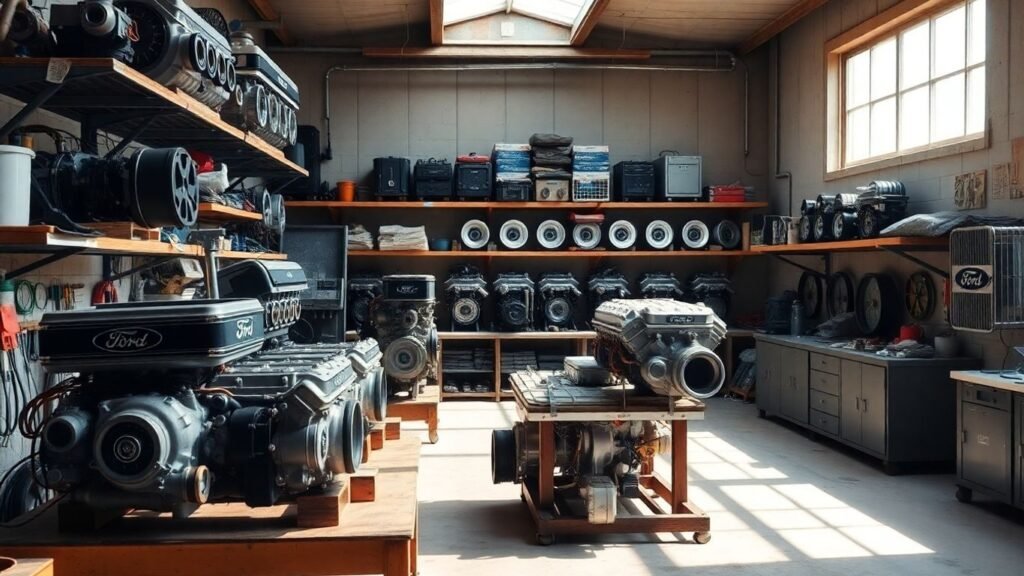
So, you’re working on a project and need a Ford engine. Instead of buying new, which can cost a fortune, you’re looking into used options. That’s where Ford engine wreckers come in. They’re basically places that take in old or damaged vehicles, salvage the usable parts, and sell them on. It’s a smart way to get what you need without breaking the bank, and it’s better for the environment too. But not all wreckers are created equal, so finding a good one is key.
Key Takeaways
- Find Ford engine wreckers by looking for places with large inventories and clear part descriptions.
- Check for warranties or guarantees on used Ford engines to protect your purchase.
- Reputable wreckers often have good customer reviews and transparent sourcing practices.
- Buying used Ford engines is cost-effective and supports recycling efforts.
- Wreckers can be a great source for both classic and modern Ford vehicle parts.
Locating Reputable Ford Engine Wreckers
Understanding the Role of Ford Engine Wreckers
So, you’re looking for a Ford engine, huh? Maybe for a project car, or perhaps your daily driver finally gave up the ghost. Whatever the reason, finding a good used engine can save you a ton of cash compared to buying new. That’s where Ford engine wreckers come in. These places are basically specialized salvage yards that focus on dismantling vehicles, particularly Fords in this case, to recover usable parts. They’re like treasure chests for mechanics and DIYers, full of engines that might still have plenty of life left in them. Think of them as the first stop before you even consider a brand-new, eye-wateringly expensive engine.
Identifying Key Features of Quality Wreckers
When you’re on the hunt for a Ford engine, not all wreckers are created equal. You want to find a place that knows its stuff. Look for places that have a good reputation, maybe ask around at local auto shops. A good wrecker will usually have a pretty organized yard, or at least a decent system for tracking their inventory. They should be able to tell you a bit about the engine’s history, like what kind of vehicle it came from and roughly how many miles it had. A key sign of a quality operation is their willingness to answer your questions and provide details about the parts they sell.
Here’s a quick look at what to keep an eye out for:
| Feature | What to Look For |
|---|---|
| Inventory Size | Large selection of Ford models and engine types |
| Organization | Clean, well-maintained facility, organized parts |
| Knowledgeable Staff | Able to provide details about engine history/condition |
| Warranty/Guarantee | Offers some form of protection on purchased engines |
| Customer Reviews | Positive feedback from previous buyers |
The Benefits of Choosing Certified Wreckers
Sometimes, you’ll see the term "certified" thrown around. This usually means the wrecker has met certain industry standards for how they operate, how they test parts, and how they handle environmental regulations. While not always strictly necessary, going with a certified wrecker can give you extra peace of mind. They’re often more likely to have properly tested engines and might offer better warranties. It’s like getting a stamp of approval that says they’re serious about quality and customer satisfaction. It can make the whole process feel a lot less like a gamble.
Finding the right engine can feel like a quest, but focusing on reputable sources makes the journey much smoother. It’s about finding a reliable part without breaking the bank, and knowing where to look is half the battle.
Navigating the Inventory of Ford Engine Wreckers
Accessing Extensive Part Databases
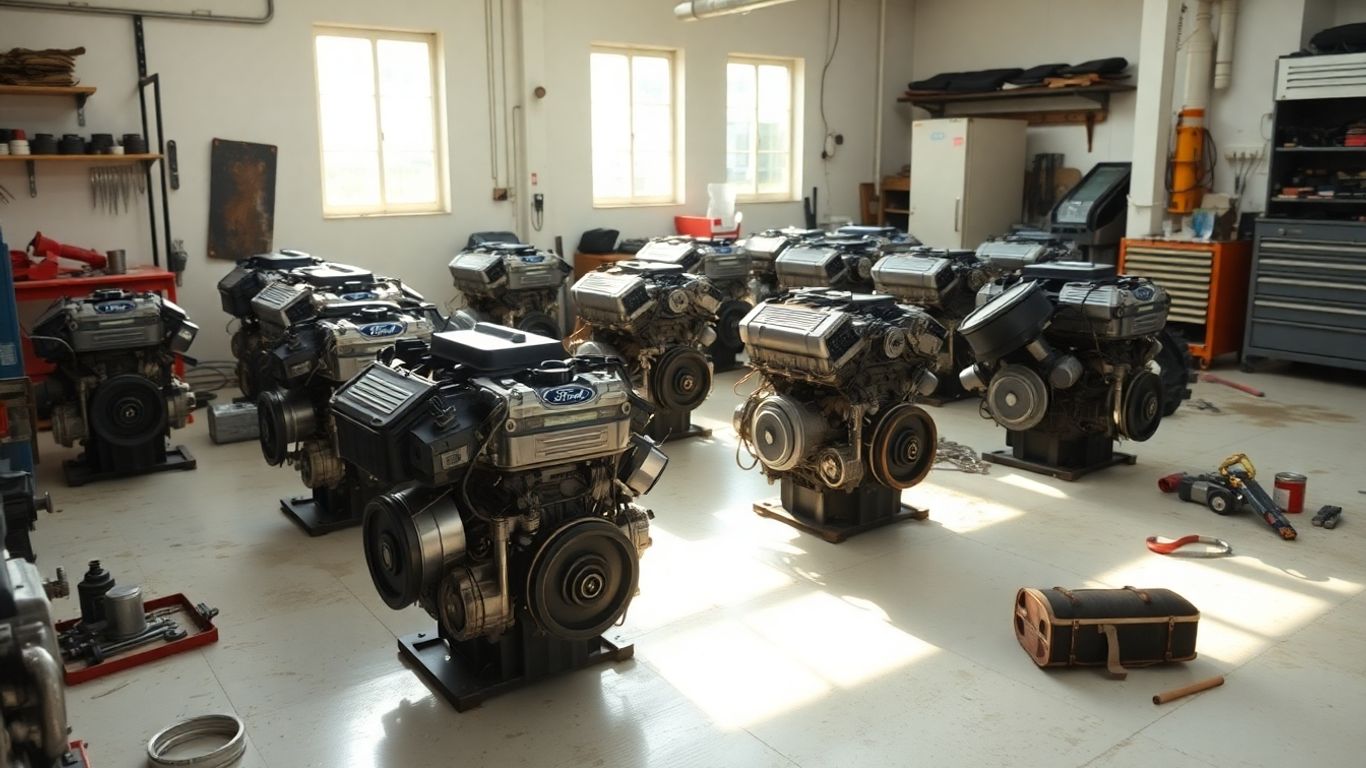
Finding the right Ford engine for your project often starts with knowing where to look. Many reputable wreckers maintain large, searchable databases of their inventory. These systems are usually online, allowing you to check availability from your computer or phone. You can typically filter by make, model, year, and even specific engine codes. This digital approach saves a lot of time compared to physically visiting multiple yards. It’s like having a catalog for every engine they’ve processed.
Finding Specific Ford Engine Models
Once you’re in a wrecker’s database, getting specific is key. For Ford engines, you might be looking for a particular V8 from a classic Mustang, a reliable inline-six for an older truck, or a modern EcoBoost. Knowing the engine’s displacement (like 5.0L or 2.7L) and its specific code (e.g., Coyote, Windsor, or Duratec) will help you narrow down the search considerably. Some databases even list the vehicle the engine came from, which can be helpful for compatibility checks.
Understanding Part Condition and Grading
Engines from wreckers aren’t all the same. They come from vehicles that have been retired for various reasons, so condition can vary. Reputable yards will often grade their engines. You might see terms like ‘low mileage,’ ‘tested,’ or ‘as-is.’ A ‘tested’ engine usually means it’s been run and checked for basic functionality. ‘Low mileage’ refers to the odometer reading of the vehicle it was removed from. It’s always a good idea to ask for details about how the engine was inspected and what tests were performed. Some yards might offer a basic warranty on tested engines, which is a good sign.
When you’re looking at used engines, don’t just focus on the price. Think about what you’re getting for that price. A slightly more expensive engine that’s been tested and comes with a short warranty might save you a lot of headaches down the road compared to a cheaper one with no guarantees.
Here’s a general idea of how engines might be categorized:
| Grade | Description |
|---|---|
| Low Mileage | Engine removed from a vehicle with significantly fewer miles than average. |
| Tested | Engine has been run and basic operational checks have been completed. |
| Good | Engine is functional and shows normal wear for its age and mileage. |
| As-Is | Engine is sold without any testing or guarantees; condition is unknown. |
Ensuring Quality and Reliability from Ford Engine Wreckers
The Importance of Warranties and Guarantees
When you’re looking for a used Ford engine, the paperwork matters. A good engine wrecker will stand behind their product. This usually means offering some kind of warranty or guarantee. It’s not just about getting a refund if something goes wrong; it’s about the seller’s confidence in the parts they’re selling. Think about it – if they’re willing to put their money on the line with a warranty, it suggests they’ve done their homework and believe the engine is in decent shape. Some places might offer a basic 30-day warranty, while others might go up to 90 days or even longer, especially for remanufactured engines. Always ask what the warranty covers – is it just for the engine block, or does it include accessories too? Understanding these details upfront can save a lot of headaches later.
Verifying the Source of Recycled Ford Engines
It’s a good idea to know where your engine is coming from. Reputable wreckers often have a process for inspecting and testing the engines they pull. They might be able to tell you the mileage on the vehicle the engine came from, or if it was involved in an accident that could have caused hidden damage. Some larger operations even have detailed logs of their inventory and the condition of each part. Asking about their sourcing and testing procedures is a smart move.
You want to feel confident that the engine you’re buying hasn’t been sitting in a field for years, exposed to the elements, or pulled from a vehicle that had a catastrophic failure. A little digging into their background can go a long way.
Customer Reviews and Reputation Checks
Don’t underestimate the power of online reviews and word-of-mouth. Before you commit to buying an engine, take a few minutes to see what other customers are saying about the wrecker. Are they generally happy with the quality of the parts and the service? Are there a lot of complaints about engines failing shortly after installation? Checking forums, review sites, or even asking around in local car clubs can give you a good sense of a company’s reputation. A business that consistently gets good feedback is usually a safe bet for finding a reliable used Ford engine for your project.
The Environmental and Economic Advantages
Supporting Sustainable Automotive Practices
When you choose to get a used Ford engine from a wrecker, you’re doing something good for the planet. Instead of a perfectly good engine ending up in a landfill, it gets a second life. This whole process cuts down on the need to manufacture new parts, which uses a lot of energy and resources. Think about it: less mining for raw materials, less energy spent in factories, and less waste overall. It’s a smart way to keep usable parts out of the trash and reduce the environmental footprint of car manufacturing and repair.
Cost-Effectiveness of Used Ford Engines
Let’s be real, new parts can cost a fortune. Getting a used Ford engine from a reputable wrecker is often a fraction of the price of a brand-new one. This makes your project much more affordable. You can get the quality you need without breaking the bank, which is a big win for anyone working on a budget. It means more money left over for other parts or even just for, you know, living.
The Value of Repurposed Vehicle Parts
It’s not just about saving money or being green, though those are pretty great. There’s a real satisfaction in knowing you’re giving a part a new purpose. These engines have already been through the manufacturing process, so their biggest environmental impact has already happened. By repurposing them, you’re essentially getting a part that’s already “made,” and that’s a smart move. It’s like buying something second-hand that’s still in great shape – you get the utility without the full cost or impact of making it from scratch.
Choosing a used Ford engine isn’t just a practical decision; it’s a responsible one. It aligns your project with a more sustainable future for automotive practices, proving that you don’t have to sacrifice performance or affordability to be environmentally conscious.
Sourcing Ford Engines for Classic and Modern Vehicles
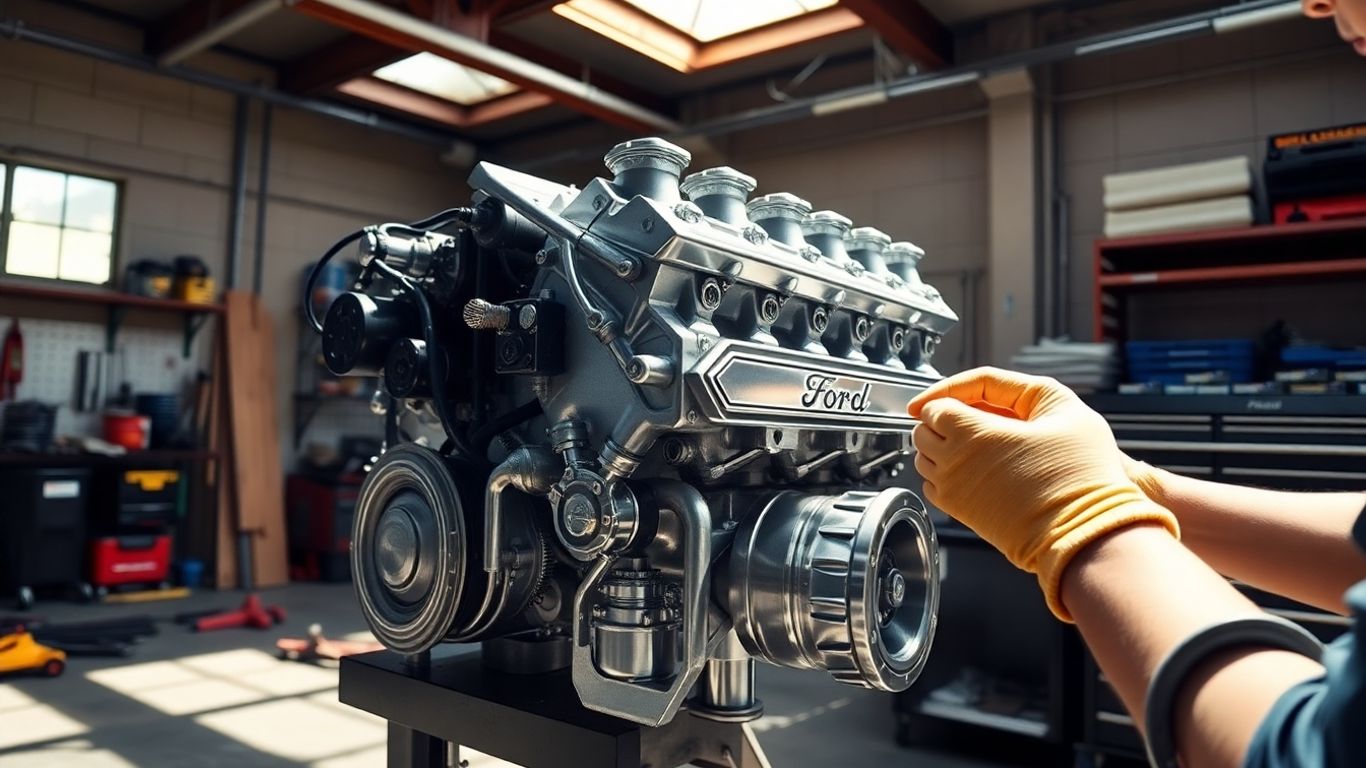
Finding Parts for Antique Ford Vehicles
If you’re into classic Fords, finding the right engine can feel like a treasure hunt. These older vehicles often need specific engine blocks or components that aren’t made anymore. Reputable wreckers specializing in older vehicles are your best bet. They often have a good stock of parts for models like the classic Mustang, Falcon, or early F-Series trucks. It’s worth asking them directly if they have what you need, as their inventory might not always be fully listed online. Sometimes, they even have access to parts from vehicles that haven’t been officially cataloged yet.
Acquiring Engines for Contemporary Ford Models
For newer Ford vehicles, the process is usually more straightforward. Most large auto wrecking yards have extensive databases that allow you to search for specific engine types, like a 5.0L Coyote for a modern Mustang or a 3.5L EcoBoost for an F-150. They’ll often be able to tell you the mileage and condition of the engine. It’s important to know the exact engine code for your vehicle to make sure you get a compatible replacement. Many of these yards also offer a warranty on their engines, which is a big plus.
Specialized Wreckers for Performance Fords
When you’re working on a performance Ford, like a Shelby GT500 or a high-performance F-150 Raptor, you might need more than just a standard engine. Some wrecking yards focus specifically on performance vehicles. These places are more likely to have the specialized engines, superchargers, or performance-tuned components you’re looking for. They understand the nuances of these high-output engines and can often provide advice on compatibility and installation.
| Vehicle Type | Common Engine Needs |
|---|---|
| Classic Mustang | 289, 302, 351 Windsor/Cleveland |
| Modern F-150 | 3.5L EcoBoost, 5.0L Coyote |
| Performance Focus | Supercharged V8s, High-Output V6s |
Finding the right engine for your project, whether it’s a vintage beauty or a modern powerhouse, often comes down to knowing where to look and what questions to ask. Don’t be afraid to call around and talk to the experts at the wrecking yards; they’ve seen it all and can often point you in the right direction.
Making the Purchase from Ford Engine Wreckers
Understanding the Purchase Process
So, you’ve found the perfect Ford engine for your project. Now comes the part where you actually buy it. It’s not usually as simple as just handing over cash and walking away with a heavy engine. Most reputable wreckers will have a clear process. First, they’ll want to confirm the exact part number and its condition. They might have a system for checking availability and pricing, sometimes even online databases. Don’t be afraid to ask questions about the engine’s history, mileage, and any testing that’s been done. It’s also common to need to provide some details about your vehicle to make sure it’s a direct match.
Shipping and Logistics for Ford Engines
Getting a Ford engine from a wrecker to your garage can be a bit of a puzzle, especially if they aren’t local. Many wreckers offer shipping, but the costs can add up. You’ll want to get a clear quote for this, including how the engine will be packaged and insured for transit. Sometimes, they’ll ship it to a local freight terminal for you to pick up, or they might offer direct delivery to your home or workshop. It’s worth comparing shipping costs from different wreckers if you’re not picking it up yourself.
When arranging shipping, always confirm the delivery method. Will it be curbside drop-off, or do you need to be present with a forklift or loading dock? Clarifying this upfront can save a lot of hassle.
Payment Options and Security
Payment methods can vary. While some smaller operations might prefer cash or bank transfers, larger, more established wreckers will likely accept credit cards. Always ask about their accepted payment types early on. For larger purchases, especially if you’re paying a significant amount, using a credit card can offer an extra layer of security and consumer protection. Make sure you get a detailed invoice that clearly lists the engine, the price, and any warranty information provided.
Wrapping It Up
So, when you’re looking for a Ford engine for your next project, remember there are good options out there. Checking out places that specialize in used and recycled parts can really save you some money. It’s a smart way to go, plus you’re helping the environment a bit too. Just do a little digging, ask around, and you’ll likely find a solid engine that fits your needs and your budget. Happy building!